


Injection molding is a widely used manufacturing process for high-quality plastic parts. Polishing is a critical part of the process and a key step in mold preparation because it affects the final appearance, durability, and functionality of the molded part.
Manual polishing puts specialized tools in the hands of skilled technicians. The method gives precise control over intricate mold designs and areas that machines struggle to reach. It is often chosen for molds that need high polishing for cosmetic or aesthetic products, including medical devices, optical parts, and consumer goods.
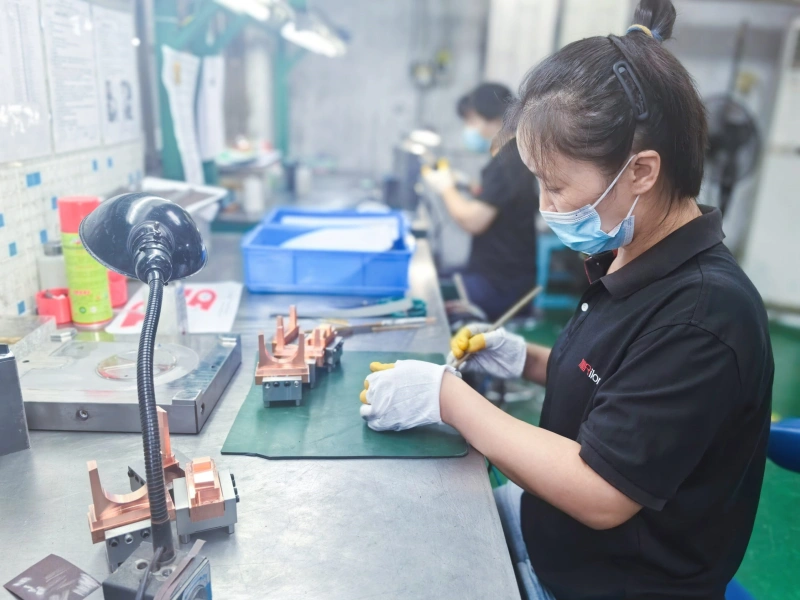
Machine polishing relies on automated tools for large, flat, or simple surfaces. It is faster and more efficient than manual work and suits large production runs where speed and consistency matter. The method may not deliver the same detail or finish quality as manual polishing.
Project requirements, production scale, and surface quality expectations determine which method fits. Manual polishing ensures complex shapes and tight tolerances reach the required finish when high standards are required. Machine polishing fits high-volume production with standard finishes. For precision work, manual polishing remains the best option.
Polishing also supports mold performance and longevity. A well-polished mold reduces wear and tear, helps parts release smoothly, and limits defects such as flow lines and blemishes. Either method aims to create a mold that produces high-quality parts with the desired surface finish.
TCHD Precision Mold provides polishing services as part of its injection molding work.