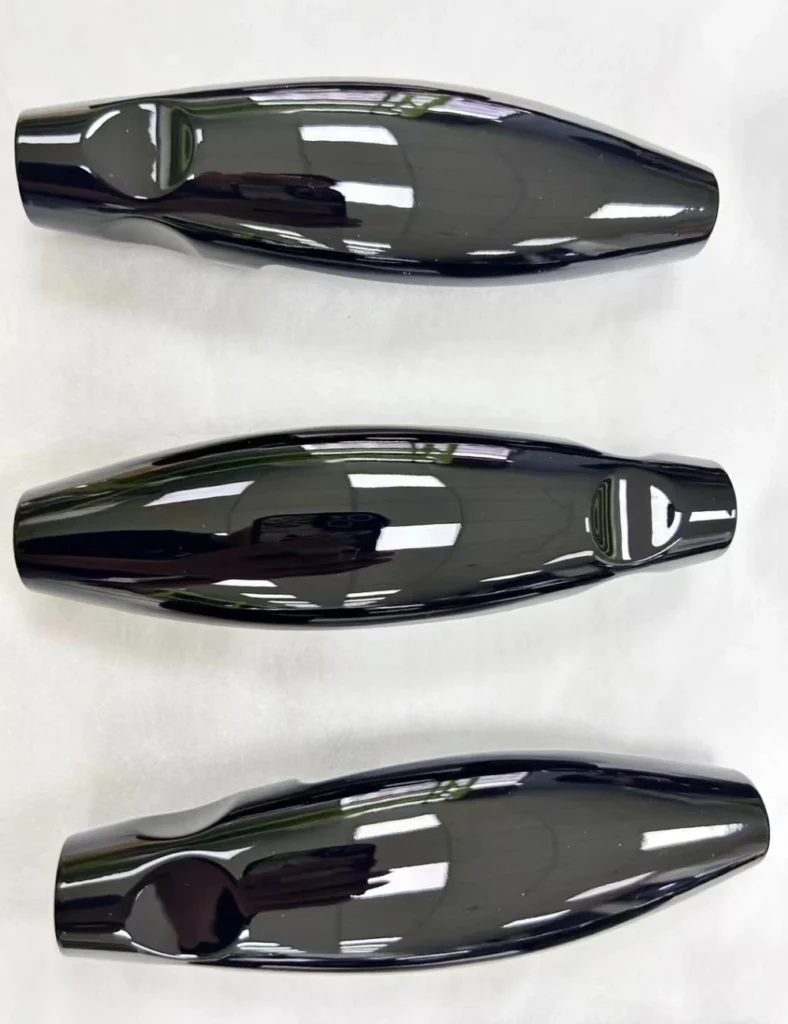


Engineers and sourcing teams face a familiar decision early in development: which process actually fits the part. CNC machining, 3D printing, and vacuum casting each solve different problems, and the wrong pick shows up later as cost overruns, rework, or a design that cannot be manufactured as drawn.
Design intent drives the choice more than any single factor. CNC machining handles prismatic geometry, tight tolerances, and machined features cut from solid stock. 3D printing suits complex organic shapes, internal channels, and rapid iterations where tooling would slow things down. Vacuum casting sits between the two, using a silicone mold to reproduce parts in polyurethane resins that mimic production plastics. Each route imposes its own rules on wall thickness, draft, undercuts, and feature size.
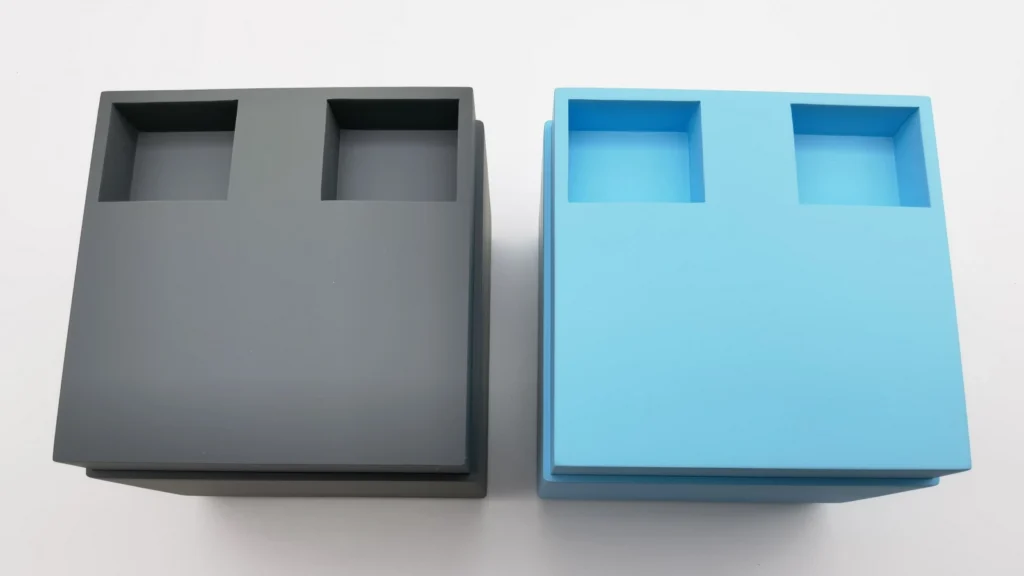
Material selection follows the same logic. CNC covers metals and engineering plastics in solid form, so the finished part carries the properties of the billet. 3D printing offers photopolymers, thermoplastics, and in some cases metal, though properties vary by technology and build orientation. Vacuum casting is limited to castable resins, but those resins can approximate ABS, PP, PC, and rubber-like materials, which makes the process useful for functional prototypes and bridge production.
Process considerations shape lead time and cost structure. CNC programming and setup add front-end effort, yet per-part cost falls as quantities rise. 3D printing needs no tooling, so single parts come fast, while unit cost stays fairly flat. Vacuum casting requires a master pattern and a silicone mold; the mold wears out after a limited number of pulls, so the economics favor small to medium batches.
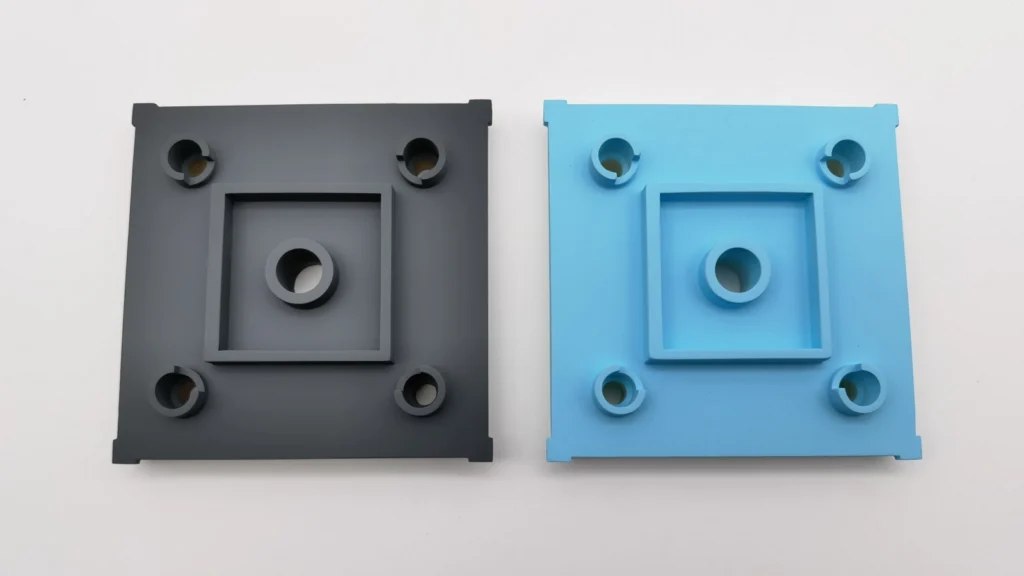
Quality and tolerance expectations differ across all three. Machined parts typically hold the tightest dimensional control and the best surface finish straight off the machine. Printed parts carry layer lines, anisotropy, and tolerances that shift with build direction. Cast parts can shrink during cure, and the mold itself introduces variation over its life, so dimensional checks matter on every batch.
Production volume usually settles the argument. Prototypes and one-offs lean toward printing. Functional test parts and pilot runs of tens to hundreds of units often go to vacuum casting. Bridge tooling and low-volume metal parts point to CNC. Many programs combine all three: print to validate form, cast to test function in a production-like resin, then machine or tool up for serial output.
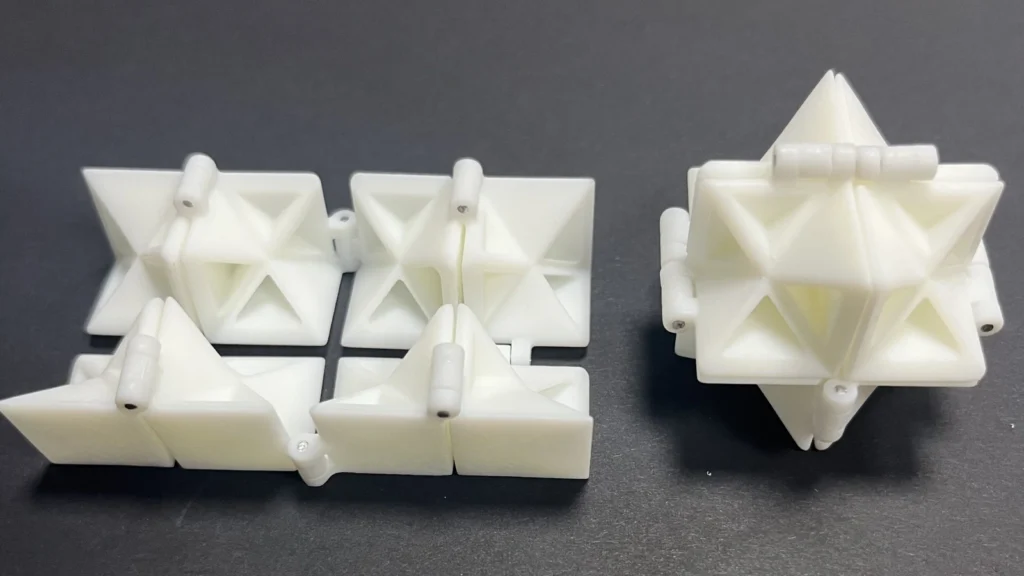
Sourcing teams should weigh more than unit price. Setup costs, tooling amortization, finishing operations, and inspection requirements all enter the landed cost. A process that looks cheap per part can lose on assembly fit or fail incoming inspection. Sharing the drawing and production requirements with the manufacturing partner early usually surfaces these trade-offs before commitments are made.
For engineers, the practical step is to define what the part must prove. Fit checks, functional testing, and market samples each demand different fidelity. Matching that purpose to the process, then confirming material and tolerance capability with the supplier, avoids the common trap of over-specifying a prototype or under-specifying a production part.