
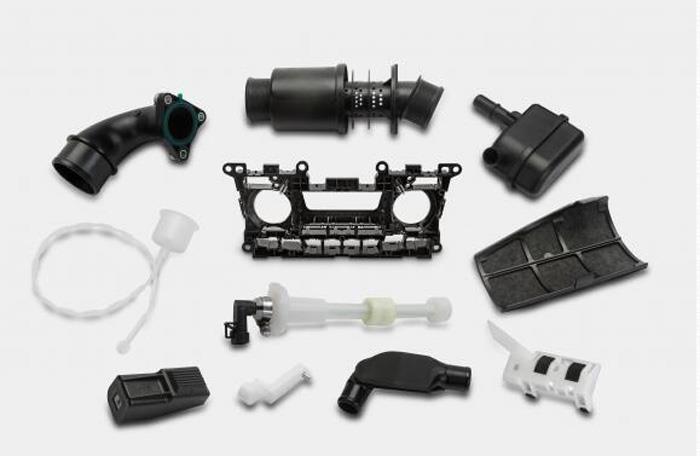
Molding a part is only half of what most programs need. Value-added assembly turns molded components into a unit the customer can install directly, removing handling, inventory, and quality risk from the buyer’s floor. The work is simple in principle and difficult in practice, because every added step creates a new failure mode.
What Value-Added Assembly Covers
- Ultrasonic welding, heat staking, and snap-fit closure
- Insert installation, including heat-set and molded-in hardware
- Adhesive bonding, gasketing, and sealing
- Sub-assembly with metal, glass, or electronic components
- Functional testing, labeling, and retail packaging
Process Monitoring During Production
Press variables such as temperature, pressure, and cycle time are monitored through a plant-wide process monitoring system, recorded, and stored against the lot. The same discipline applies to assembly stations: weld energy, stake height, torque, and test results are captured rather than judged by eye. When a customer asks why a batch behaved differently, the record answers the question.
Design for Assembly
Assembly cost is largely fixed at design time. Self-locating features, symmetric parts where orientation does not matter, and clear access for tools reduce cycle time. Tolerances should be allocated so the stack closes without force; a joint that needs a hammer will crack sooner or later. Early review with the assembly team prevents a mold that produces parts nobody can build with.
Quality Control at Each Station
Incoming molded parts are checked against the control plan before assembly, since a cosmetic defect hidden inside a closed unit becomes a return. In-process checks cover weld strength by pull test, leak testing where sealing matters, and functional verification of moving parts. Final inspection confirms packaging and label accuracy.
Traceability and Documentation
Lot codes link finished assemblies back to resin batch, molding parameters, and assembly shift. For regulated customers, this supports complaint investigation and recall scoping. Work instructions with photographs belong at the station, not in a folder.
Frequently Asked Questions
Can assembly be added to an existing mold program?
Usually yes, though part features for welding or staking may need a tool change to add energy directors or stake bosses.
Who owns quality after assembly?
The assembly supplier should own the finished unit, with a written agreement on incoming part criteria.
Does value-added assembly raise unit cost?
It adds labor and equipment cost but often lowers total cost by removing the buyer’s handling and rework.
Conclusion
Value-added assembly pays off when design, process monitoring, and inspection are planned together. For related reading, see assembly background, our ultrasonic welding guide, and one-stop manufacturing services. Contact TCHD to discuss assembly scope.