


Mold customization is a central manufacturing process for producing unique, precise parts. It gives manufacturers a way to shape tooling around a specific product requirement, yet the work is not without friction. Cost, complexity, and long-term flexibility all enter the picture.
The process starts with material selection. Teams choose materials for the mold and for the final product, and those choices have to be considered together rather than in isolation. The mold material and product material both affect how the project is planned.
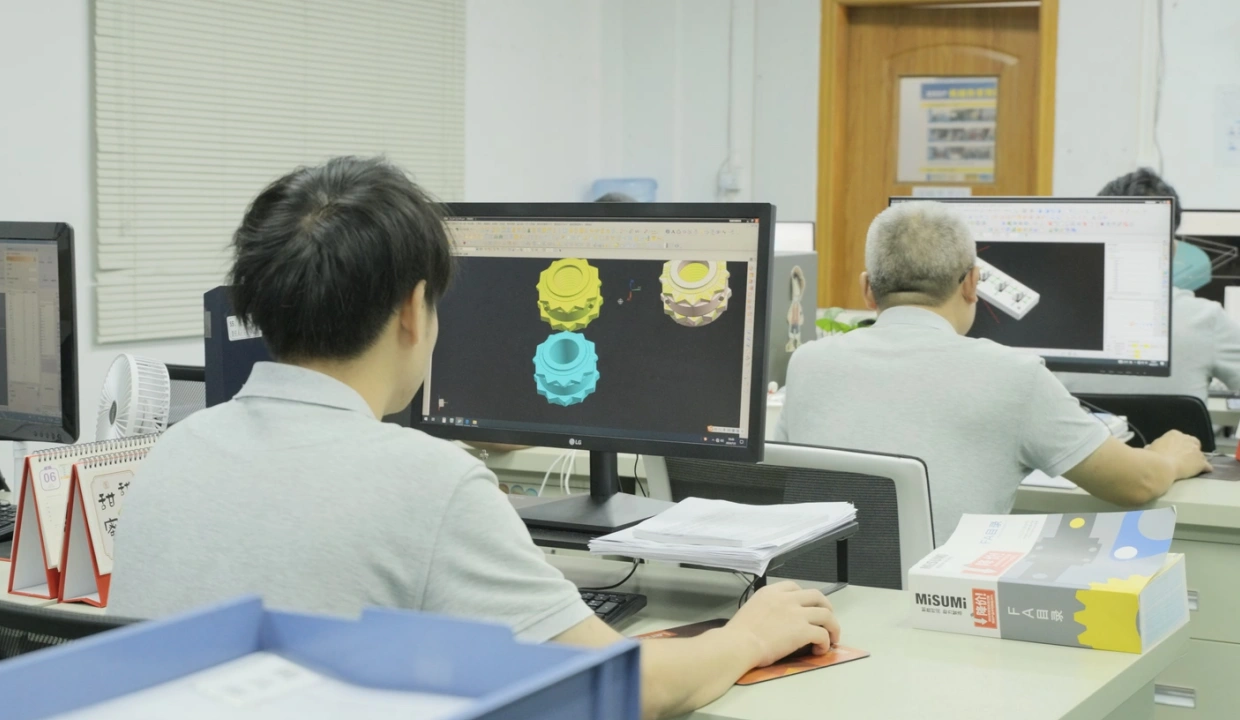
Prototyping comes before full-scale production. At this stage, the design is reviewed before the project moves into a larger production commitment. The prototype phase gives the team a practical reference for the mold that will follow.
The physical mold is then created. This build stage turns the approved design into the tooling needed for production. It is the point where the earlier choices about materials and design begin to take physical form.
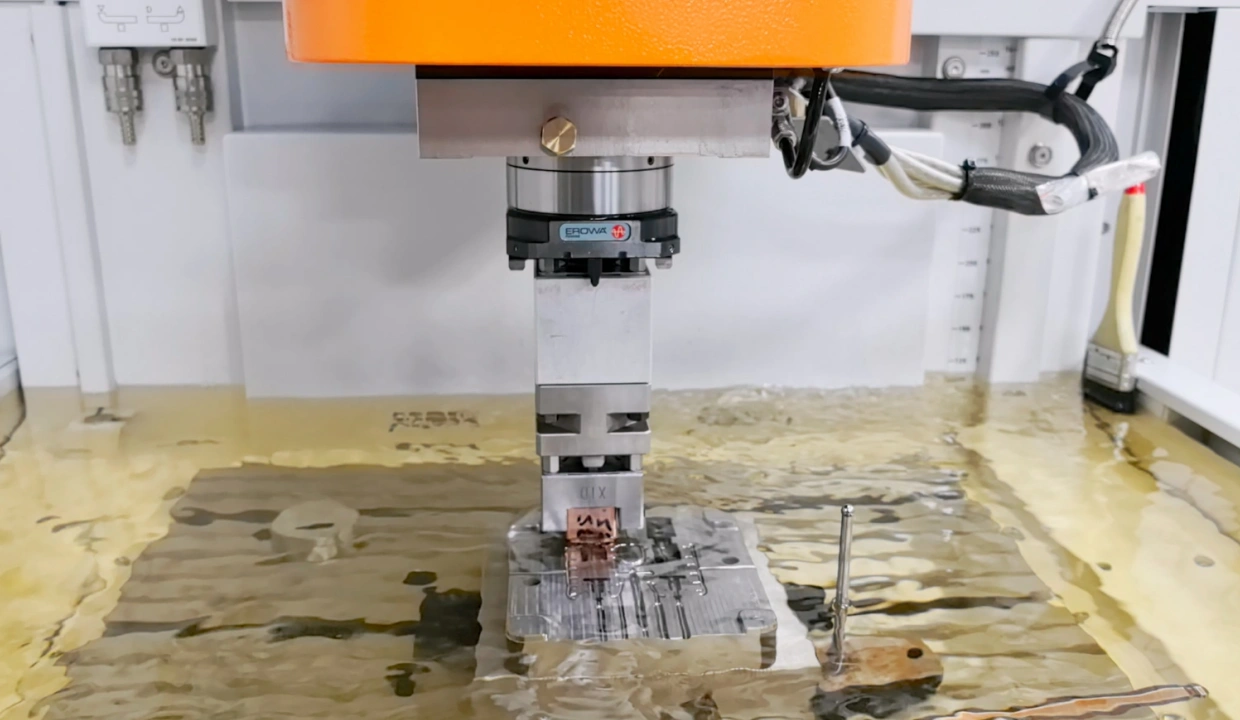
Specification checks follow. The mold must meet all stated requirements, and verification is used to confirm that it does. Initial testing then feeds into the next step. If the test results call for changes, the mold may need revisions before it can move forward.
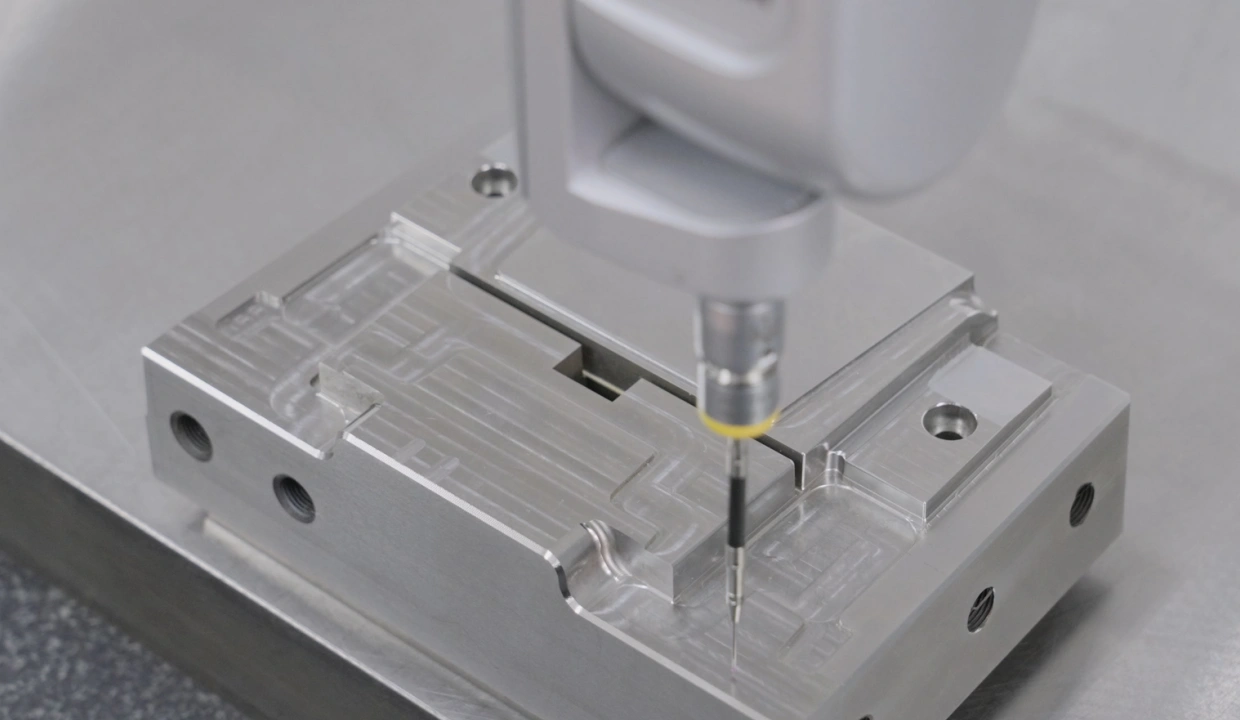
The final steps close out the build and prepare the mold for use. Custom molds are tied to a specific product and production need, and that focus shapes the work from design through completion. Creating custom molds requires attention across the full sequence, from material choice to testing and revision.

The customization process often results in a mold that is matched to the intended part. That match can support product quality and production efficiency, and it can help a manufacturer compete in its market. These benefits are the reason custom tooling is chosen in the first place.
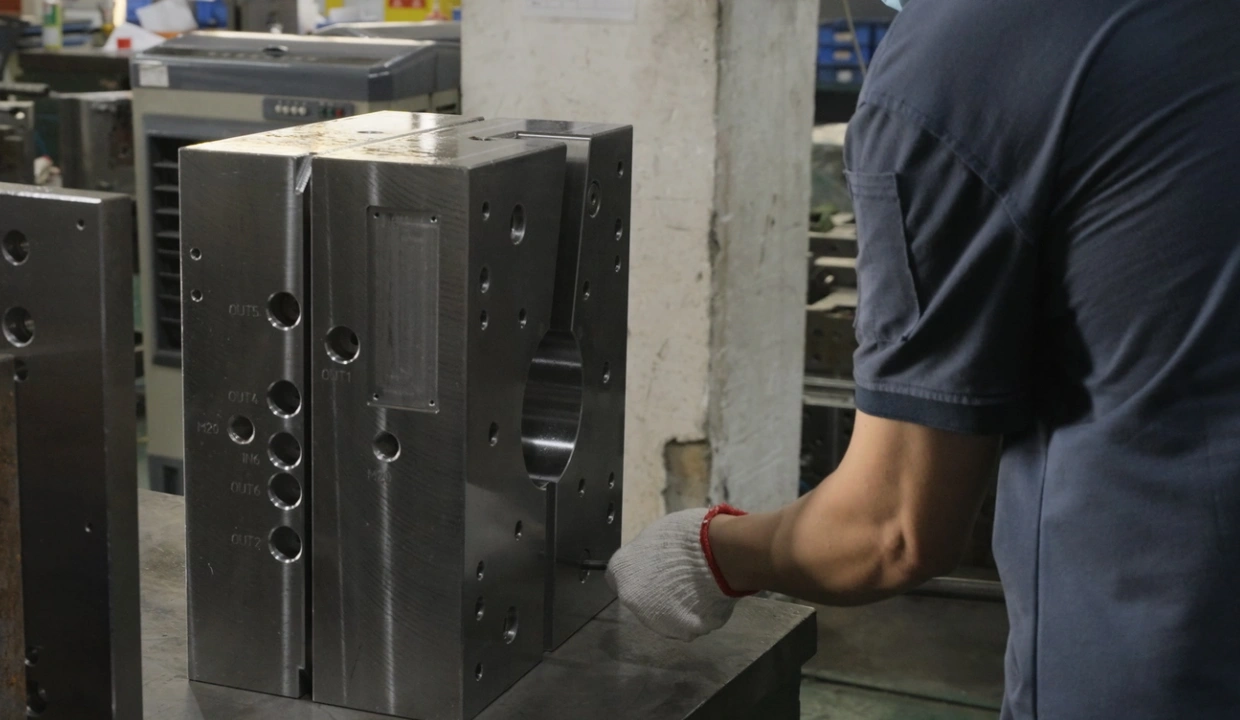
Custom molds may present difficulties in cost, complexity, and long-term flexibility. Highly customized molds face the risk of reduced flexibility when product requirements shift. The upfront investment and the added complexity can be significant, so the benefits need to be weighed against the burden.
Manufacturers must decide whether custom molds are worth it for their specific production needs, market demands, and long-term business strategy. The answer is rarely the same for every product or every company. Careful review of the process, the benefits, and the trade-offs is the practical way to make that call.