


Surface finishing is one of the last steps in making a plastic part, and one of the easiest to underestimate. The outer layer decides how a product looks, how it feels in the hand, and how long it holds up under sun, chemicals, and daily contact. TCHD Precision Mold Co., Limited has spent more than 30 years on this side of manufacturing, and the lessons from that work are worth setting out for engineers and sourcing teams planning a new project.
The term covers any treatment applied to the exterior of a molded part to reach a particular look, texture, or function. That can be as simple as a high polish or as involved as a textured coating built for grip and wear resistance. What matters is matching the finish to what the product has to do.
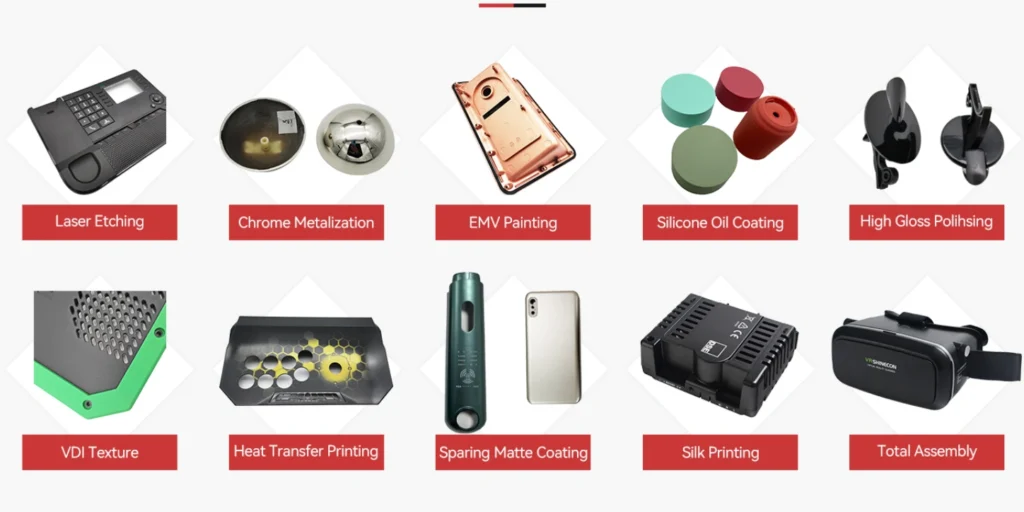
Polishing produces a smooth, glossy face. Consumer electronics and automotive interiors lean on it because the surface reads as premium and cleans easily, since dirt and moisture do not cling the way they do to rougher surfaces. The catch is that a high polish shows scratches and fingerprints quickly, so it tends to appear where handling is light or the part gets wiped often.
Texturing goes the other way. A fine or coarse grain can improve grip, cut glare, or build a specific visual character. Household appliances, hand tools, and medical devices use texture to make controls easier to find and hold. Texture also hides minor molding defects and everyday scuffs that a glossy surface would advertise.
Matte finishes sit between the two. A non-reflective surface resists fingerprints and disguises light scratches, which makes it a common choice for phone cases, dashboard components, and other parts that see constant handling.
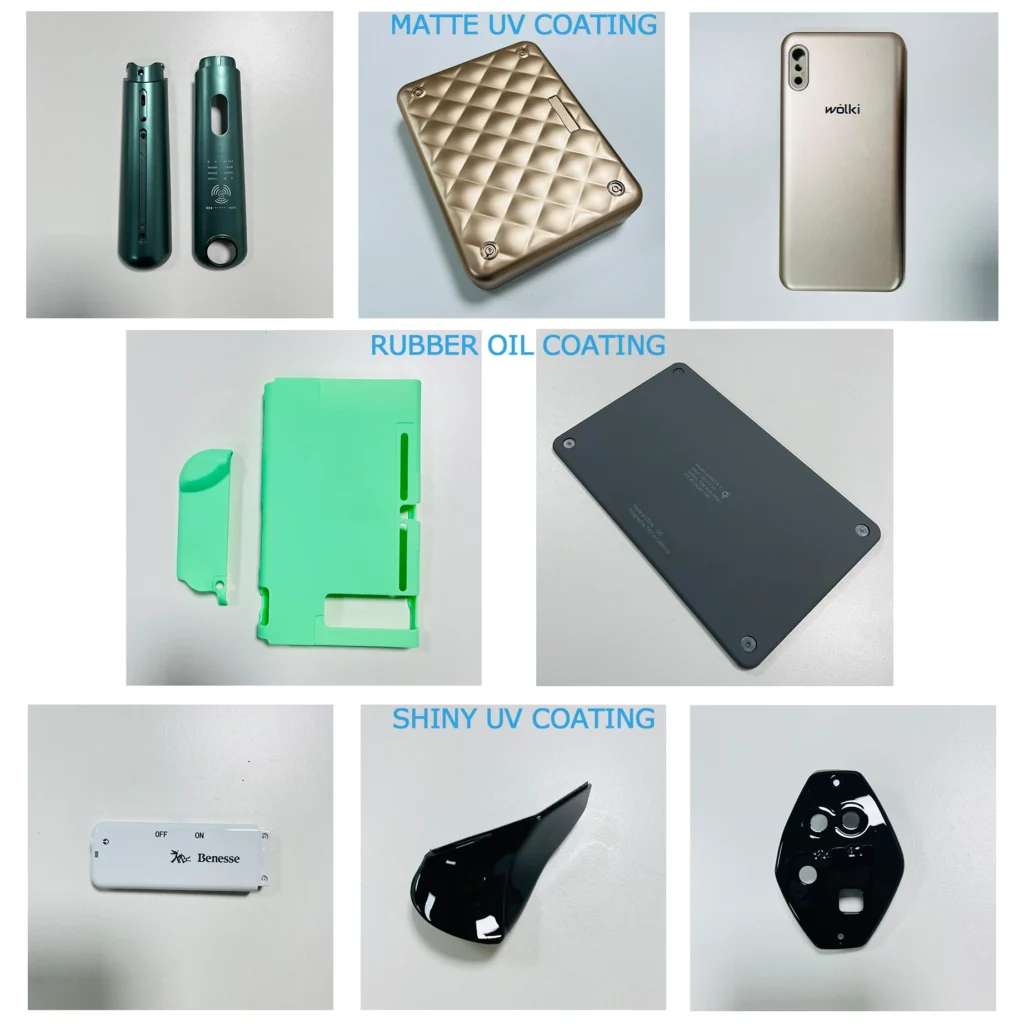
Painting and coating add a layer of color or a protective film. Beyond appearance, these coatings can shield a part from UV exposure, chemical attack, and abrasion, so they turn up often in automotive and outdoor products where the environment is harsh. Laser etching, by contrast, marks the surface with precise designs, logos, or serial numbers. It works as a branding and traceability tool as much as a decorative one, and it holds where printed labels would wear away.
Plating and metallization deposit a thin metal layer on the plastic. The part gains a metallic look while keeping the low weight of plastic, an advantage in electronics, automotive trim, and decorative goods.
The reasons to invest in a finish reach past appearances. A well-chosen surface lifts the perceived quality of a product and makes it more competitive on a shelf. It can change how the part performs through better grip, less friction, or easier cleaning. Durability improves when a treatment guards against UV, chemicals, and wear. And a distinctive finish gives a brand something recognizable to hang its identity on.
Picking the right one comes down to the job. Function first, then the target market, then the material, then the look the design is chasing. These factors pull against each other, and a finish that wins on aesthetics can lose on cost or durability.
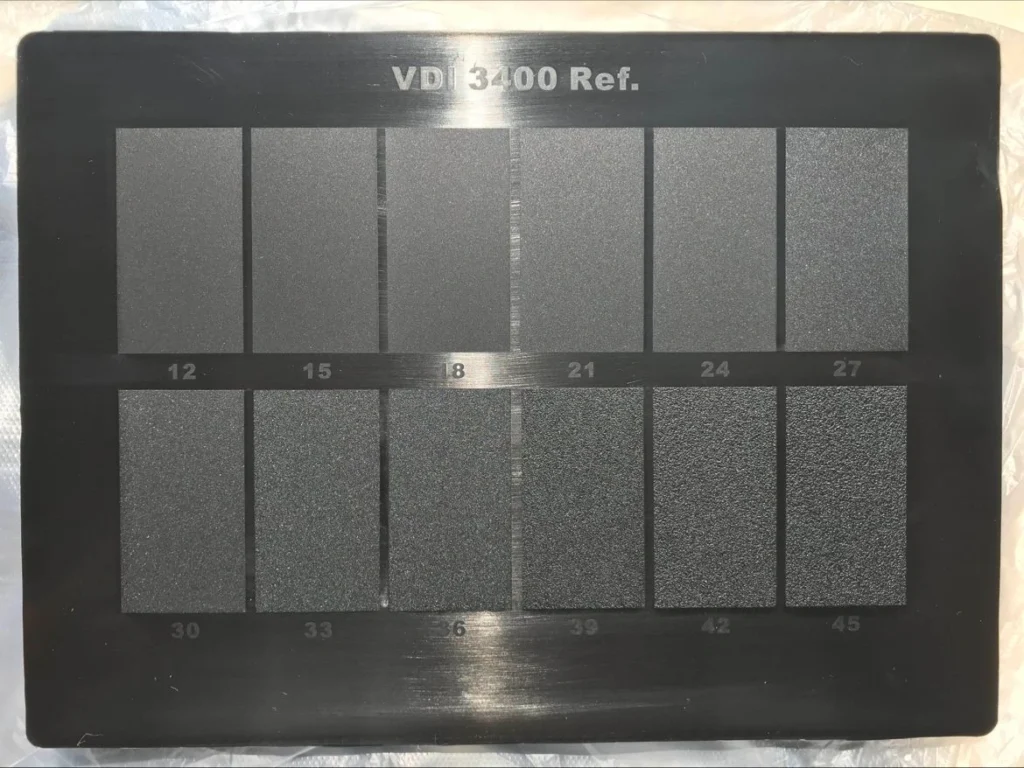
When the texture or grain pattern is still unclear, physical samples settle the question faster than any render. TCHD provides texture samples so teams can see and feel the exact model before committing. Standard finishes such as VDI, SPI, and YS are kept on hand as reference pieces.
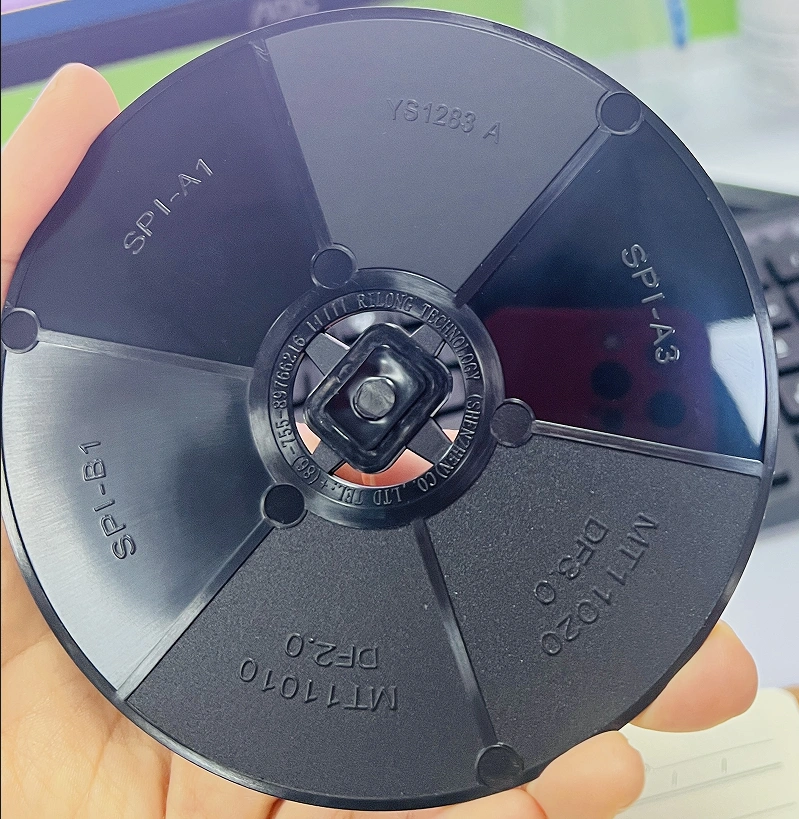
From high-gloss polish to textured grip to protective coating, the options are wide, and matching one to a specific product is where experience earns its place.