

When a product needs to move to a new supplier, the first question is whether to transfer the existing tool or build a new one. The two routes differ in cost, schedule, and risk, and the right answer depends on tool condition, design maturity, and volume expectations.
What a Transfer Involves
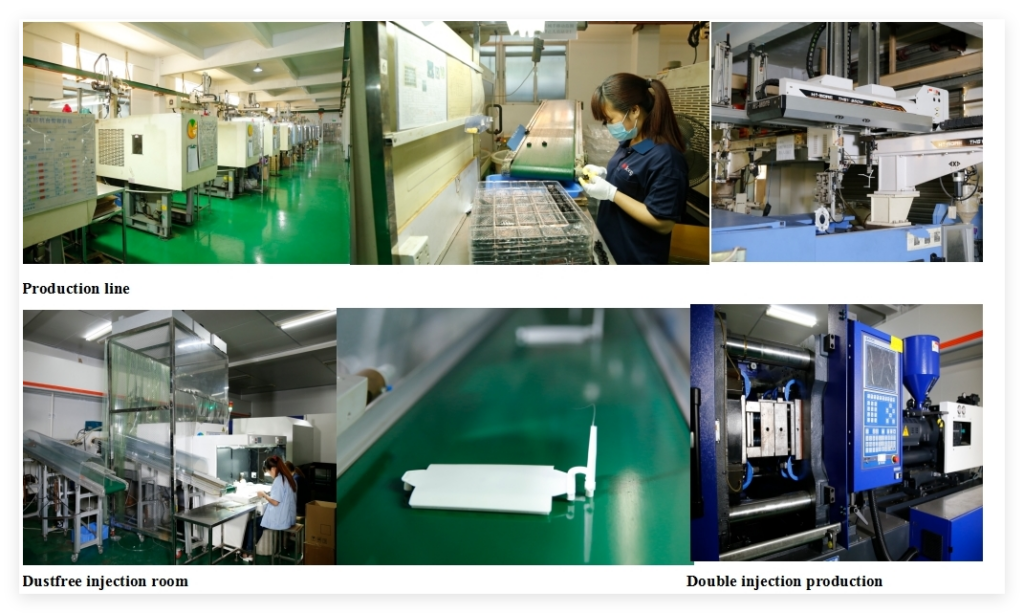
A transfer moves the physical tool to a new plant, then re-establishes the process on a different press. Work includes condition assessment, shipping, fitting, water and electrical hookup, trials, and dimensional approval. The part design does not change, so the customer keeps existing approvals.
What New Development Involves
A new tool starts from the part drawing, with DFM review, structure design, steel selection, machining, trials, and validation. The advantage is a clean design that can correct known weaknesses, add cavitation, or improve cooling. The disadvantage is cost and schedule.
Assessing an Existing Tool
Before committing to a transfer, inspect cavity and core surfaces for wear and erosion, measure critical dimensions on a sample shot, and check cooling flow and pressure drop. Review the drawing set against the physical tool, because undocumented changes made during debugging are the most common cause of a failed transfer.
Cost and Lead Time Comparison
A transfer typically costs a fraction of a new tool and can be completed in weeks, but it inherits the original design’s limitations. New development costs more and takes longer, yet it can raise cavitation, shorten cycle, and fix a chronic defect. At high volume, the new tool often pays back through cycle time and scrap.
Risk Factors
- Transfer: unknown tool history, machine mismatch, missing documentation
- New tool: schedule risk, design changes needing revalidation, higher upfront cost
Making the Decision
Transfer when the tool is in good condition, the design is stable, volume is moderate, and speed matters. Develop new when the design needs improvement, volume is high, the existing tool is worn, or the current process cannot meet tolerance. A hybrid is common: transfer now, plan a replacement tool for the next volume step.
Frequently Asked Questions
Can a transferred mold keep its original approvals?
Usually yes for the part design, but the new process still needs dimensional and appearance validation.
How long does a transfer take?
Several weeks including shipping, fitting, trials, and approval, longer if refurbishment is needed.
What if the original toolmaker is gone?
Then documentation matters more. Without drawings and process records, expect a longer and riskier transfer.
Conclusion
Mold transfer and new development are decided by tool condition, design maturity, and volume. For related reading, see injection moulding reference, our transfer-ready mold guide, and machine specification guide. Contact TCHD to evaluate your tool.