


Moving a tool between regions is a project, not a shipment. Transfer-ready injection molds are judged by whether they run the same part, at the same quality, on a different press and in a different plant. Passing one trial is not proof; stability, maintainability, and documentation decide the outcome.
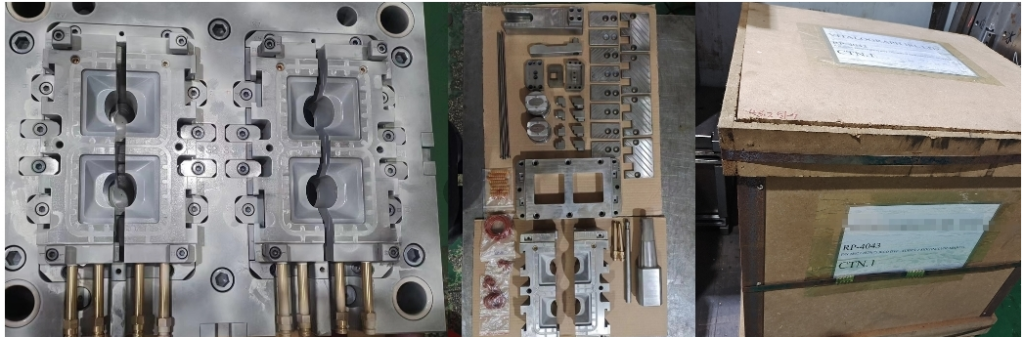
What Makes a Mold Transfer-Ready
A transfer-ready tool has a clean design history, verified steel condition, complete drawings, and a process record that another plant can reproduce. It should also be compatible with the target machine and with local standards for safety, cooling supply, and lifting. Buyers who plan a transfer later should specify these items at the original order.
Design and Documentation Review
Start with the 2D and 3D tool drawings, the part drawing with tolerance and cosmetic criteria, and the mold structure drawing. Check the parting line, ejection, cooling layout, and any actions such as sliders or lifters. Confirm that the drawing set matches the physical tool, because undocumented changes made during debugging are the most common cause of transfer failure.
Machine Compatibility
Platen size, tie-bar spacing, mold height, daylight, ejector pattern, and nozzle radius must match the receiving press. Tonnage and shot size need margin. Core pull circuits, hot runner zones, and sensor connectors must be available in the new plant. A mold that requires a special controller may still be transferable, but only if that equipment is included in the plan.
Condition Assessment and Refurbishment
Inspect cavity and core surfaces for wear, erosion at gates, and corrosion in cooling channels. Measure critical dimensions on a sample shot, and check that cooling flow and pressure drop are within expectation. Refurbishment before shipping is cheaper than a stalled project after arrival.
Quality Records and Process Data
Transfer-ready injection molds should travel with a process sheet, first-article report, material certificates, and a control plan. Include the gate freeze study, cooling time, and pack pressure that produced accepted parts. Dimensional reports from the last production run give the receiving plant a baseline for comparison.
Production Planning for the Move
Plan shipping protection, customs documentation, and a trial window before the old line is dismantled. Expect to devote several days to fitting, water hookup, and process development, then run a capability check on critical dimensions. Keep a small buffer stock so a delay does not stop customer shipments.
Frequently Asked Questions
How long does a transfer usually take?
Several weeks including shipping, fitting, trials, and approval, with more time if the tool needs refurbishment.
Do I need a new PPAP-style approval?
For regulated industries, yes. Even outside regulated sectors, a dimensional and appearance approval is worth the effort.
What is the biggest transfer risk?
Undocumented changes to the tool and missing process records, which make the original result impossible to reproduce.
Conclusion
Transfer-ready injection molds are built on records as much as on steel. For related reading, see injection moulding reference, our machine specification guide, and mold engineering drawings. Contact TCHD to plan a transfer.