


TPE for sporting goods solves a problem that rubber and rigid plastic each solve only partly. The material flexes and grips like rubber, processes like a thermoplastic, and can be recycled with the production scrap. For grips, mats, straps, and protective parts, that combination decides both feel and cost.
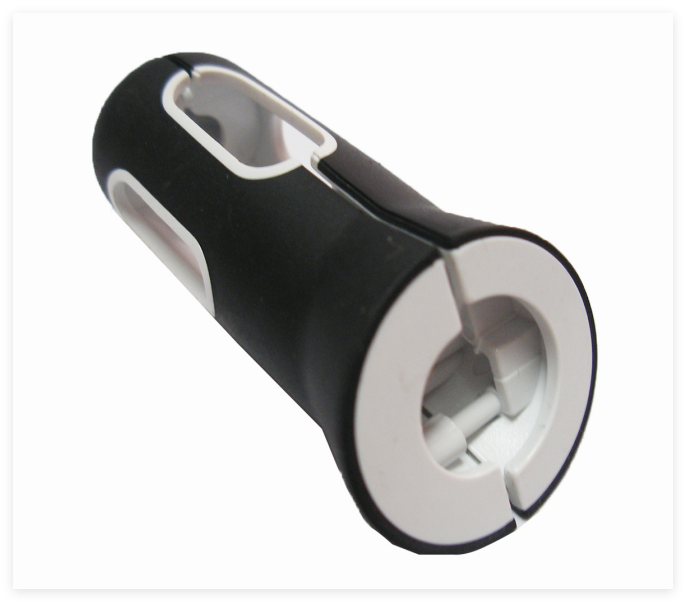
Why TPE for Sporting Goods Fits Grips and Mats
Repeated stretching does not permanently deform most TPE grades, so resistance bands keep their tension. High-friction surfaces stay grippy when wet with sweat, which matters for handles and mat surfaces. And unlike thermoset rubber, TPE scrap can be reground and molded again, which supports both cost control and sustainability claims.
Grade and Hardness Selection
Shore hardness from 30A to 90A covers most sports applications: soft grades for skin contact and cushioning, harder grades for structural grips and wear parts. SEBS-based grades offer good UV and aging resistance for outdoor use; SBS grades are cheaper but degrade faster in sunlight. TPV grades hold up better at high temperature and in dynamic flex.
Design Rules for Grips and Mats
- Keep wall thickness uniform so cooling and shrink stay even
- Add ribs or texture for grip rather than relying on softness alone
- Round internal corners to avoid tear initiation
- Allow for higher shrink than rigid plastic when designing mating features
- Provide mechanical interlocks where the part is overmolded
Flex Zones and Fatigue
Where a part bends repeatedly, thickness and radius control fatigue life more than hardness does. A thin section with a generous radius outlasts a thick section with a sharp transition, because stress concentrates at the corner.
Overmolding TPE onto Rigid Cores
Two-shot molding bonds a TPE skin to a PP, ABS, or PA core without adhesive. Bond strength depends on chemical compatibility and on the core surface temperature at the moment of the second shot. Mechanical features such as dovetails or through-holes provide backup retention when the material pair bonds poorly, which is common with polyolefin cores.
Testing and Durability
A practical validation plan covers hardness, tensile strength and elongation, tear resistance, abrasion loss, compression set, and color fastness to light and sweat. For grips, a wet-grip friction test is more informative than dry measurements, since the product is used with sweaty hands. Field trials on real equipment catch failures that bench tests miss.
Sustainability and Recyclability
TPE allows scrap regrind and, in some grades, easier separation from a mono-material design. Halogen-free and low-VOC formulations support indoor gym and consumer safety requirements. Claims should be verified against the actual grade data sheet, because “recyclable” means different things for a molded mat and for a bonded multi-material assembly.
Cost Drivers
Grade, hardness, and color concentrate drive material cost; cavitation and cycle time drive conversion cost. A slightly harder grade that cools faster can reduce total part cost more than a cheaper resin that needs a longer cycle.
Frequently Asked Questions
Is TPE better than silicone for sports grips?
TPE bonds more easily to rigid plastics and costs less; silicone handles higher heat and stays softer over a wider temperature range.
Can TPE be used outdoors?
Yes, with UV-stabilized SEBS or TPV grades. Unstabilized SBS yellows and cracks in sunlight.
How thick should a TPE grip be?
Typically 1.5 to 3 mm over a rigid core, enough to cushion without losing tactile feedback.
Conclusion
TPE for sporting goods works best when grade, hardness, geometry, and bonding are specified together and validated under real use conditions. For related reading, see thermoplastic elastomer reference, our silicone vs TPE guide, and molding supplier selection. Contact TCHD to review your product.