


LSR double injection molding combines two very different materials in a single cycle: a liquid silicone rubber that cures by addition reaction, and a rigid thermoplastic that melts and freezes. The result is a part with a soft, sealed interface that needs no adhesive and no assembly step. Getting there requires the tool, the dosing system, and the substrate to be planned together.
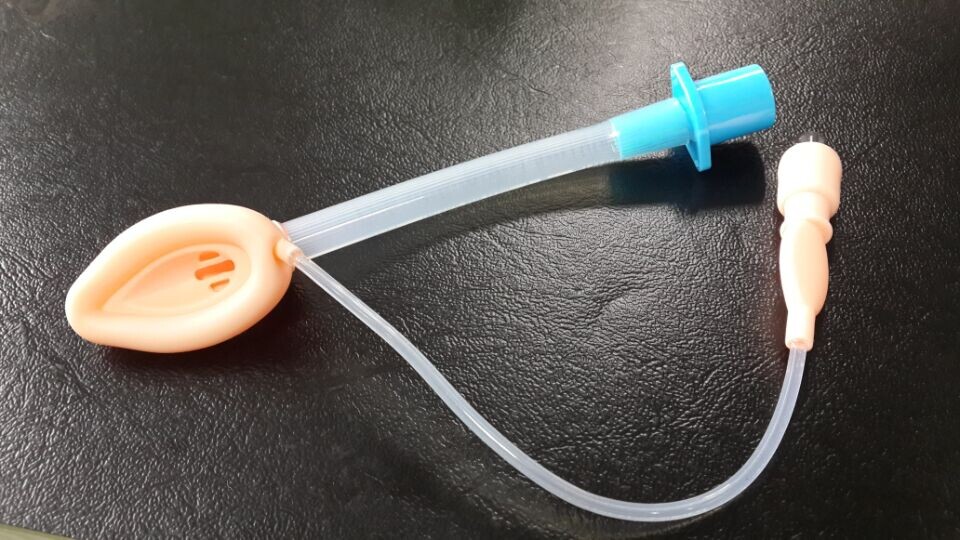
Why Choose LSR Double Injection Molding
Attaching a silicone gasket to a housing with adhesive adds a process, a cure time, and a failure mode. When the seal is molded in place, the bond forms while the silicone is still liquid, so it wets the substrate surface and cures against it. Parts come off the press sealed, and the assembly line loses a station instead of gaining one.
Material Behavior That Shapes the Design
LSR shrinks only about 0.1 to 0.3 percent, far less than most thermoplastics, so silicone dimensions are stable but the substrate around them is not. A PA66 housing that grows with moisture can stress a bonded seal. Substrate choice should consider heat deflection temperature, chemical compatibility, and how the plastic behaves after the silicone cure cycle at 150 to 180 degrees Celsius.
Bonding to the Thermoplastic Substrate
Adhesion depends on the plastic: PA, PBT, PPS, and some PC blends bond well, while polyolefins need a primer or a mechanical interlock. Undercuts, dovetails, and through-holes give the silicone a physical grip that survives thermal cycling even when chemical bonding is modest. Designing both a bond and a lock is the most reliable approach for parts that see repeated sterilization or vibration.
Tool Design for Two-Shot LSR
The mold usually runs a rotating or sliding core so the plastic shot and the silicone shot share one tool. The plastic cavity is vented and cooled like a normal injection mold; the silicone cavity needs tight shut-offs, since LSR at low viscosity will flash into any gap above a few micrometers.
Cold Runner and Valve Gate Control
LSR is supplied as two components that cure only when mixed, so the runner must stay cold. A cold deck with needle valve gates meters the mixed material directly into each cavity and controls the shot weight per part. Gate balance matters because silicone cannot be packed after the cavity fills.
Shrinkage and Tolerance
Because LSR does not shrink much, silicone dimensions follow the cavity closely. The tolerance problem sits on the plastic side and at the bond line, where differential expansion moves features by tenths of a millimeter. Critical interfaces should be defined on the silicone, not across the joint.
Process Control on the Shop Floor
Metering ratio, mix quality, mold temperature, and cure time decide whether a part is fully vulcanized. A cold mold produces a tacky surface and poor tear strength; an overheated one can cause premature cure in the runner. Inline pressure monitoring and periodic tear tests catch drift before it reaches a shipment.
Quality and Validation
Typical validation covers bond strength by peel or pull test, compression set after aging, tear propagation, and leak testing at the specified IP rating. Medical programs add cytotoxicity and extractables work under ISO 10993, and automotive programs add IATF 16949 process documentation. Records should tie each lot to the silicone batch and the substrate lot.
Frequently Asked Questions
Can LSR be molded onto any plastic?
No. PA, PBT, PPS, and select PC blends bond well; polyolefins usually need a primer or mechanical interlock.
How long does a two-shot LSR tool take to build?
Typically eight to fourteen weeks, longer when the plastic shot needs its own development cycle.
Is LSR double injection molding expensive?
Tooling costs more than a single-shot mold, but the saved adhesive, labor, and scrap usually repay it at moderate volume.
Conclusion
LSR double injection molding succeeds when substrate, bond geometry, cold runner, and cure control are designed as one system. For related reading, see liquid silicone rubber reference, our LSR properties and molding guide, and two-shot molding vs overmolding. Contact TCHD to review your seal design.