


Teams evaluating molded components balance design intent, material, process control, quality, and economics. A common question is whether recycled plastics can reduce cost. Incentive policies and sustainability programs encourage recycled content, and the aim is reasonable. Material choice still has to follow the demands of the final part, because in injection molding material quality sets the ceiling on part performance.
What Each Material Actually Is
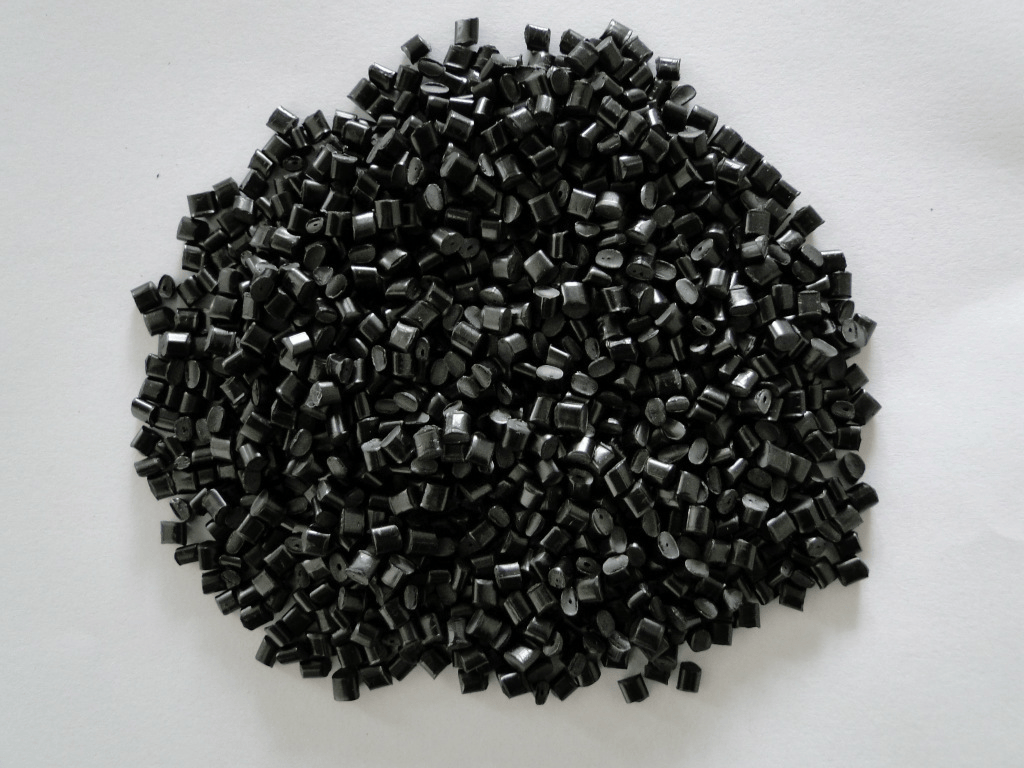
Virgin plastic is brand-new resin with known molecular weight and purity. Recycled material comes from post-industrial scrap, which is often clean and consistent, or post-consumer waste, which varies in color, contamination, and history. That distinction matters more than the label.
Mechanical and Visual Differences
Parts molded from virgin resin typically show a smooth finish, uniform color, and no visible impurities, with higher strength, impact resistance, and heat and aging performance. Recyclate usually loses some molecular weight through repeated heat history, which lowers impact strength and elongation. Color shifts restrict use in visible parts unless the grade is specially sorted.
Processing Behavior
Recycled resin may absorb more moisture, contain fines, or carry residual additives, so drying and filtration need attention. Flow can change from lot to lot, which narrows the process window and increases scrap if the controller is not adaptive. Consistency is the real cost driver, because variability forces more inspection and more rejects.
Where Recyclate Fits Best
- Hidden structural parts where color does not matter
- Products with broad mechanical tolerances
- Non-food, non-medical applications with documented compliance
- Blends with virgin resin, where a stated percentage keeps properties predictable
Where to Avoid Recycled Content
Optical parts, sealing faces, thin walls under impact, medical or food-contact surfaces, and anything requiring long-term UV and color stability should stay on virgin material. Regrind from the same production loop is a separate case: it is usually acceptable at controlled ratios and is not the same as post-consumer recyclate.
How to Qualify a Recycled Grade
Ask for the source stream, the processing history, the contamination limits, and the test data on tensile, impact, and melt flow. Run trials that include worst-case lots, and write the acceptance criteria into the control plan. Cost savings should be compared after adding inspection and scrap, not before.
Frequently Asked Questions
Does recycled plastic always cost less?
Not necessarily. High-quality sorted recyclate can cost more than commodity virgin resin while still delivering environmental benefit.
What percentage of regrind is safe?
It depends on resin and application; 10 to 30 percent is common, with validation on finished part properties.
Can recycled content meet regulatory marks?
Yes, when the grade carries the required declarations and the application accepts its property profile.
Conclusion
Virgin plastic vs recycled plastic is a fit question, not a values question. For related reading, see plastic recycling reference, our defect troubleshooting guide, and manufacturing quality control. Contact TCHD to qualify your material.