


03Nov2026
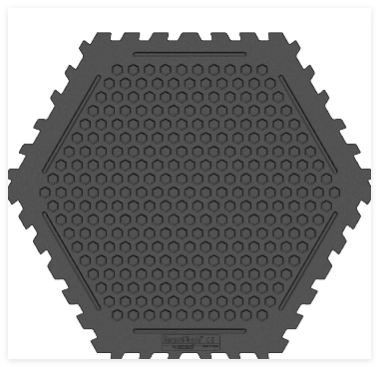
Plastic Tile Manufacturing: Design, Materials, Tooling, and Production Quality
Plastic tile manufacturing is a molding problem dressed as a building product. The tile must be flat, dimensionally consistent, resistant to the environment it is installed in, and easy to lock together. Each requirement maps back to a polymer choice, a tool design, and a process window that has to hold across a long production run. Choosing PP or PVC Polypropylene offers chemical resistance, low moisture absorption, and good impact at low cost, which suits outdoor decking, drainage, and utility flooring. PVC adds flame resistance, a harder surface, and better dimensional stability under heat, which suits interior and decorative work. Both accept printing and coating, but the surface energy differs, so adhesion must be validated per material. Design Rules for Flat, Stable Tiles Keep wall thickness uniform; thick ribs are the main cause of sink and warp Design the interlock so tolerance stack does not prevent engagement Add a hidden expansion gap for thermal movement in large installations Place ribs symmetrically so cooling is balanced on both faces Specify slip resistance by test standard, not by texture description Tool Construction Large flat parts demand rigid mold plates and even support, because any deflection shows as thickness variation. Cooling circuits should be close to the surface and balanced across the whole cavity; a tile that cools unevenly cups at the corners. For textured surfaces, the mold texture must be cut consistently across cavities so tiles from different positions match. Plastic Tile Manufacturing: Process Control Injection speed and packing pressure decide flatness as much as cooling does. Over-packing stresses the part and increases warp after ejection; under-packing leaves sink over ribs. A longer cooling time usually costs less than a rejected batch, and a fixture that holds the tile flat during cooling removes residual bow. Warpage and Flatness Flatness should be specified...
read more
18Sep2026
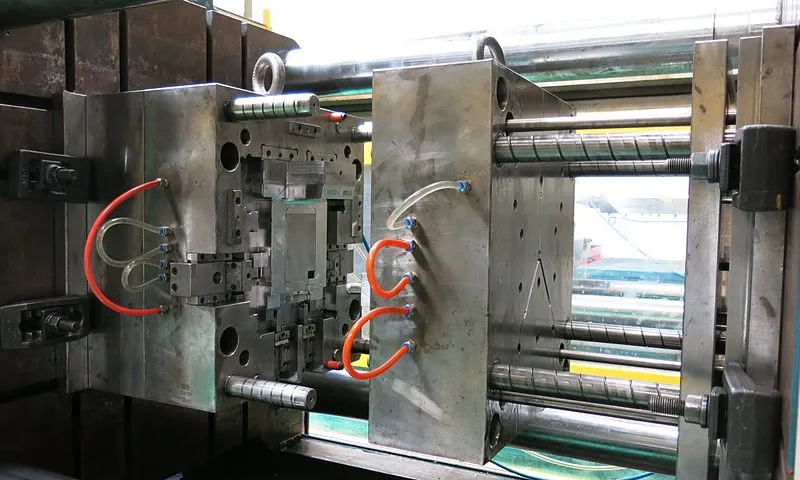
A Guide to Injection Molding Cycle Times
Ever wonder what technicians mean when they talk of injection molding cycle times? This is simply the time it takes to manufacture one set of plastic parts from the injection stage, the ejection and demolding of the plastic part from the mold. However, many steps between these phases need to be optimized for process efficiency and to deliver quality parts for every cycle.
read more
18Sep2026
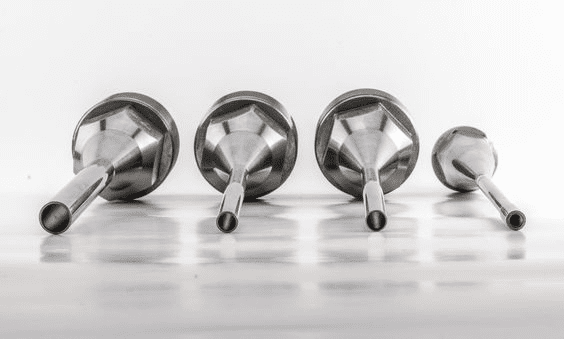
Injection Molding Nozzle Guide: Types, Common Issues, and Quality Traits
Injection modeling is a flexible manufacturing process that is used to produce plastic parts in substantial quantities. At the center of its procedure involves injecting molten plastic material into a mold cavity where it’s cooled and solidified into the desired form.
read more
18Sep2026
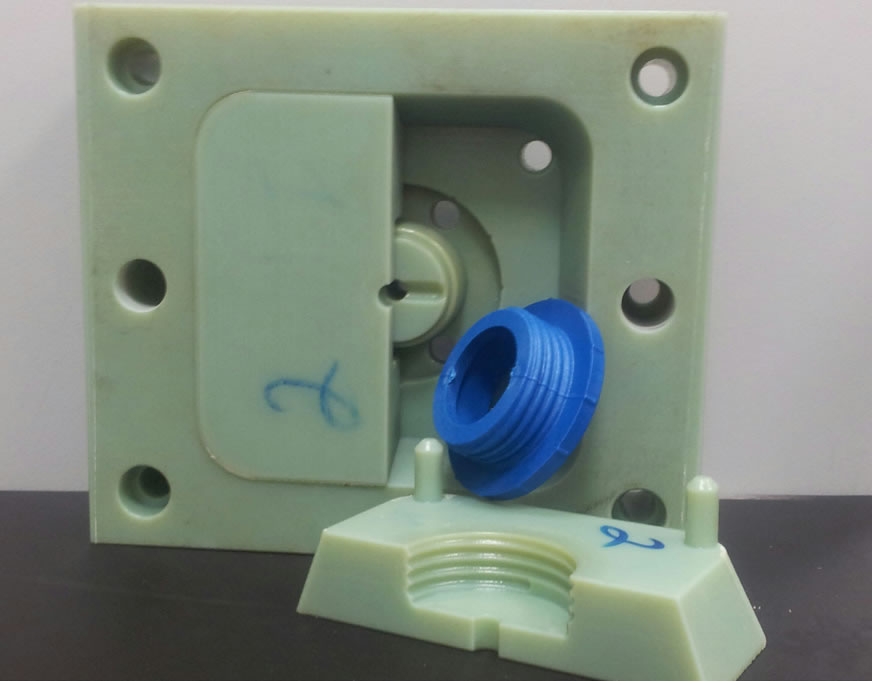
Choosing Prototyping Materials for Effective Product Development
Prototyping is described as an experimental process where design teams implement ideas into tangible forms from paper to digital. Prototyping is an important methodology during the development stages of the injection molding process. It makes use of 3D printing, and CAD models to develop parts of the final product.
read more
18Sep2026
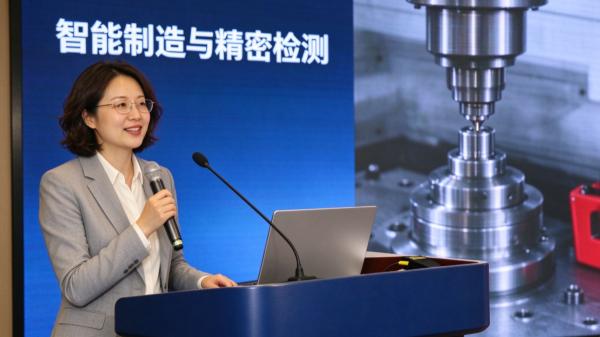
Aviation Manufacturing Experts Converge In Jingdezhen For Cutting-Edge Machining Forum
Aviation Manufacturing Experts Converge in Jingdezhen for Cutting-Edge Machining Forum On October 11, 2025, the historic porcelain capital of Jingd...
read more
18Sep2026
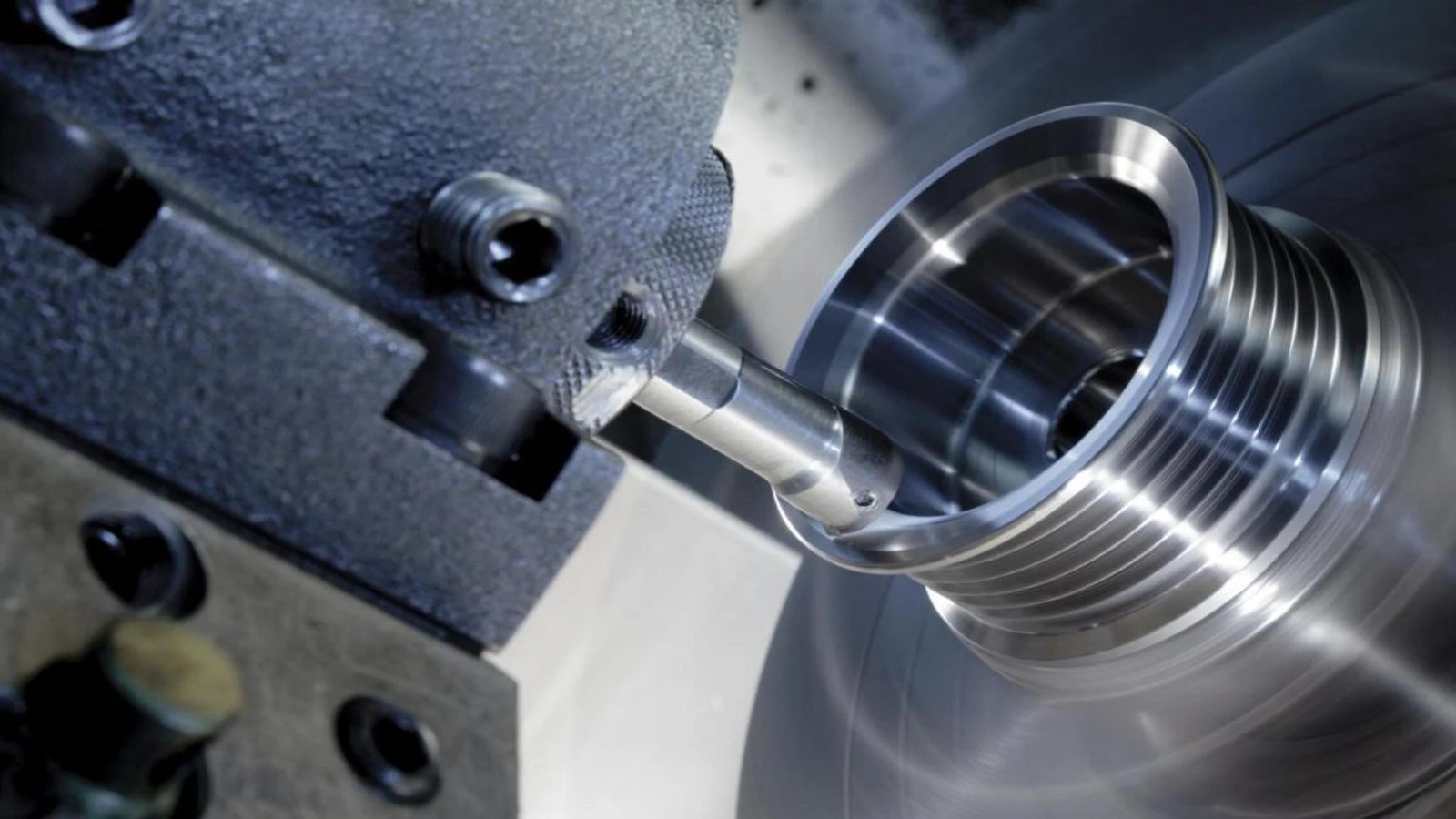
What Is CNC Machining? The Complete Basics To Get Started
Wondering about CNC machining and why it’s a big deal in the manufacturing world? You’re not alone. Computer Numeric Control (CNC) Machining is...
read more