


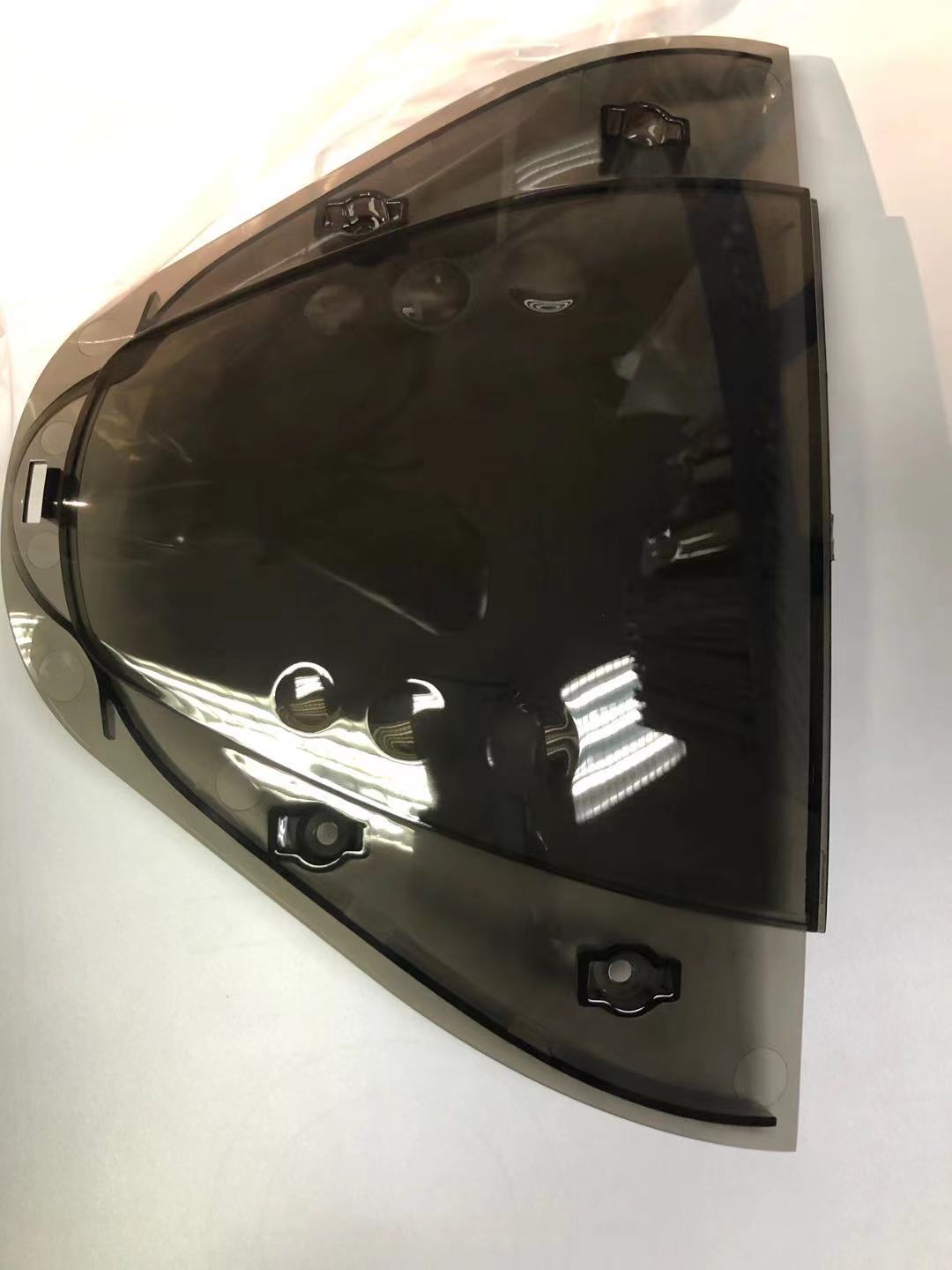
PC translucent injection molded parts appeal to products that must look premium while surviving real use. They do more than fill a functional role; they connect durability, light management, and user experience in one part. The key is to evaluate design, material selection, process, quality, and production planning as one connected system.
Why Polycarbonate Suits Translucent Parts
Polycarbonate is valued for impact strength, toughness, and heat resistance. Combined with light transmission, those properties create a strong synergy: a part can deliver visual clarity or soft translucency without giving up ruggedness. This is why pc translucent molding appears in light covers, control panels, medical housings, and equipment windows.
Start With a Defined Optical Target
Design should begin with the optical requirement: transmission percentage, haze, color, and whether the part is clear, frosted, or opal. Cosmetic zones, gate placement, and acceptable witness marks should be agreed at the same time. A part that is judged by eye without a written target will always be disputed at first article.
Resin Grades and Additives
Clarity grades differ from general grades in their additive packages. Light-diffusing grades use dispersed particles to scatter light evenly, while UV-stabilized grades resist yellowing. Consider flame-retardant or medically compliant grades only when needed, since additives often change transmission and flow. Recycled content reduces optical quality and should be limited for visible parts.
Wall Design and Light Diffusion
Uniform walls reduce stress and haze. Where light must spread, a textured inner surface or a stepped geometry can act as a diffuser. Sharp internal corners create stress concentrations that show as birefringence patterns under polarized light. Draft of at least one degree per side helps release without scuffing optical faces.
Drying and Process Control
Polycarbonate is hygroscopic. Wet resin produces splay and silver streaks that are immediately visible in a translucent part, so drying at 120°C for several hours with a desiccant dryer is standard. Injection speed profiles should minimize shear on the gate area, and holding pressure should be set by cavity pressure rather than by guesswork. Mold temperature near the upper end of the recommended range improves surface and reduces frozen-in stress.
Inspection and Quality Measures
Inspect for flow lines, gate blush, internal voids, and scratches under both transmitted and reflected light. Measure transmission and haze on a defined sample point, and keep boundary samples of acceptable and reject conditions. For painted or laser-etched versions, validate the downstream step on the same resin lot.
Frequently Asked Questions
Can polycarbonate be made fully transparent?
Optical clarity is possible with polished tooling, high-purity resin, and controlled drying, though it costs more than translucent parts.
Why does a translucent part look cloudy near the gate?
Usually excessive shear or insufficient drying. Both are adjustable through the process window.
Does mold temperature matter for clarity?
Yes. A hotter mold produces a smoother skin and fewer frozen stresses that scatter light.
Conclusion
PC translucent molding succeeds when optics, resin, drying, and tooling are designed together. For related reading, see polycarbonate reference, our laser etched backlit buttons guide, and mold quality factors. Contact TCHD to review your optical part.