


A silicone rubber keypad looks like a simple part until it fails in the field. Tactile feel, actuation force, legend wear, and dust resistance all depend on decisions made in compounding, tooling, and finishing. Understanding the process makes it easier to write a specification that a supplier can actually meet.
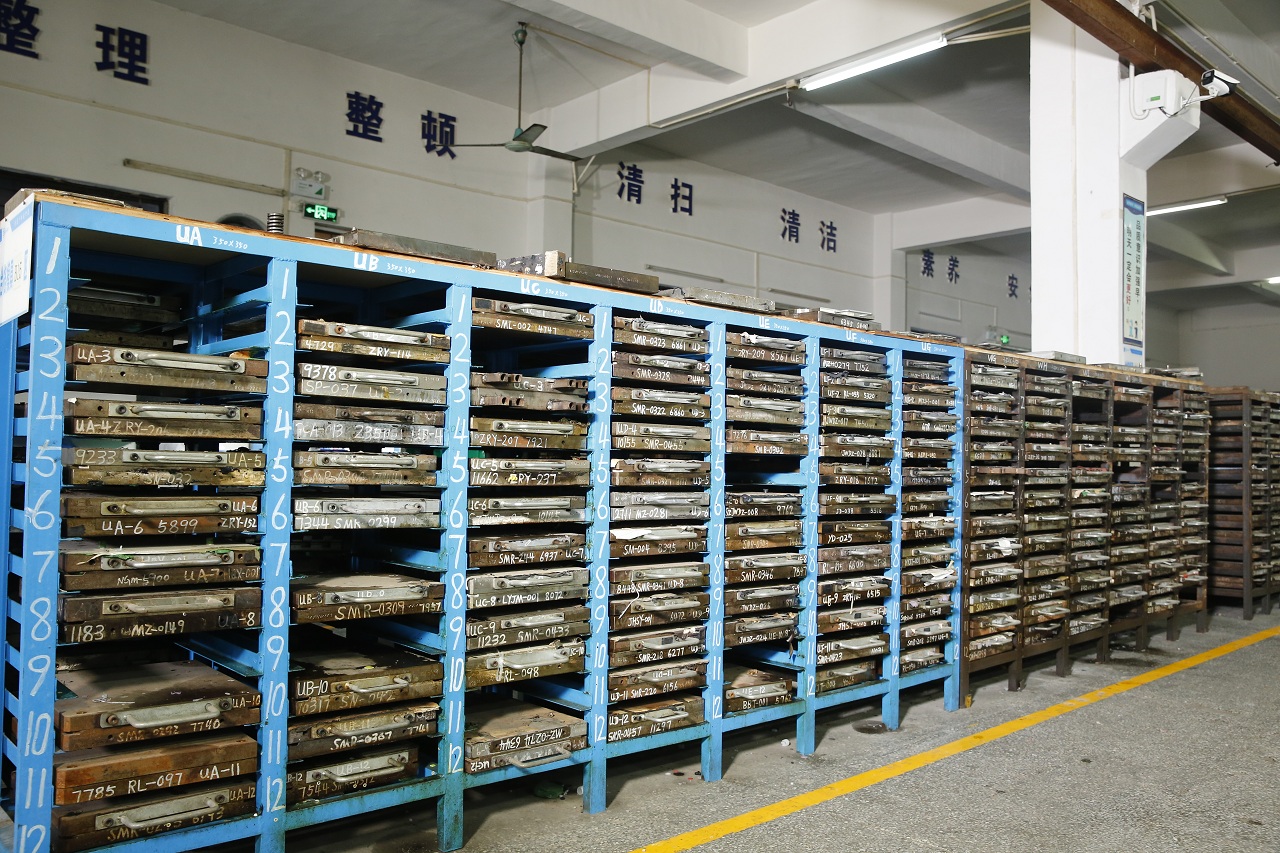
Compound Preparation
Raw silicone comes as a gum that must be mixed with catalyst, pigment, and fillers. Color matching at this stage matters more than it appears: pigment loading changes cure speed and hardness, so a dark keypad can behave differently from a light one. Batch weight is calculated from cavity volume and specific gravity, and an inaccurate weight shows up as short shots or heavy flash.
Silicone Rubber Keypad Molding Methods
Compression molding places a preformed blank in an open cavity and closes the press; it is economical for large keys and short runs. Transfer molding pushes compound from a pot through runners, giving better dimensional control for small keys. Liquid silicone rubber injection molding meters two components and cures in a heated tool, which suits high volume and tight tolerances but needs a cold runner system.
Tooling and Tactile Design
Key feel is a geometry problem. A web thickness that is too thin collapses under finger pressure; too thick and the key will not actuate a dome reliably. Carbon pills or conductive traces create the contact, and their position relative to the dome determines actuation consistency. The tool should be cut with the web and dome in one piece, since a bonded web separates in use.
Shore Hardness and Actuation Force
Hardness typically runs from 40 to 70 Shore A. Softer compounds feel comfortable but transmit less force to the dome; harder compounds give a crisper click and better durability. Actuation force should be specified as a range with a test method, not as a single number.
Deflashing and Secondary Operations
Demolded keypads carry flash at the parting line and in holes. Manual trimming suits complex shapes, while punch dies are faster and more consistent for flat profiles. After trimming, an air blast removes dust, and inspection confirms that no tear starts at a trimmed edge.
Legend Printing and Surface Treatment
Screen printing deposits ink into the key face; laser etching removes a painted layer to reveal a translucent base that backlights. Both need a clean, consistent surface. Because silicone is tacky and attracts dust, a thin silicone oil coating is applied to improve slip and reduce contamination pickup, with cure time allowed before packing.
Quality Control Points
- Hardness and specific gravity on the mixed compound
- Dimensional check on key height, pitch, and web thickness
- Actuation force and travel on a sample of keys per cavity
- Legend adhesion by tape test and abrasion cycling
- Key life cycling to the specified count without contact failure
Frequently Asked Questions
Why does a new keypad smell?
Residual volatiles from pigments and vulcanizing agents. Ventilating for two to three days usually clears it; a pungent odor suggests an inferior compound.
How many cycles should a keypad survive?
Consumer remotes commonly target 100,000 to 500,000 actuations, while industrial panels may specify more.
Can legends be molded instead of printed?
Yes, with a two-color or laser-etched construction, which resists wear better than surface printing.
Conclusion
Silicone rubber keypad quality comes from compound control, tool geometry, and finishing discipline rather than from any single step. For related reading, see keypad reference, our custom silicone rubber molding guide, and silicone vs TPE comparison. Contact TCHD to specify your keypad.