


Manufacturing cost reduction usually begins with a spreadsheet: reduce headcount, delay equipment, renegotiate material. Those moves lower cost this quarter and often raise it over the life of the program. The alternative is slower and less visible, built from design efficiency, tooling quality, and process stability, and it compounds instead of eroding capability.
Manufacturing Cost Reduction: Where the Cost Comes From
Part cost is material, cycle time, scrap, and inspection, weighted by volume. A design change that removes a thick section can cut cycle time by seconds and eliminate sink, paying back more than a discount on resin. Cost reduction that ignores cycle and scrap is guesswork with a number attached.
Design Decisions With the Largest Leverage
- Uniform wall thickness to shorten cooling and reduce warp
- Fewer parts and integrated features to remove assembly steps
- Tolerances specified only where function requires them
- Gate and ejector locations planned to avoid secondary operations
- Material chosen for the process window, not just the data sheet
Tooling Quality as a Cost Control
A tool that runs a two-second-shorter cycle, or that produces one percent less scrap, outperforms a cheaper tool within months. Hardened shut-offs, balanced cooling, and a proper hot runner cost more upfront and reduce the cost per part for the rest of the program. Cheap tooling converts a capital saving into an operating expense.
Process Stability and Scrap
Scrap is the most expensive form of waste because it consumes material, machine time, and labor before being thrown away. Stable process windows, documented settings, and in-line monitoring reduce variation, and variation is what generates scrap. A plant that measures scrap by cavity finds problems a plant that measures it by month never sees.
Automation Where It Pays
Robotic take-out, automated assembly, and in-line inspection pay back when volume is high and the process is stable. Automating an unstable process multiplies the instability, so stabilization should come first.
Equipment Investment
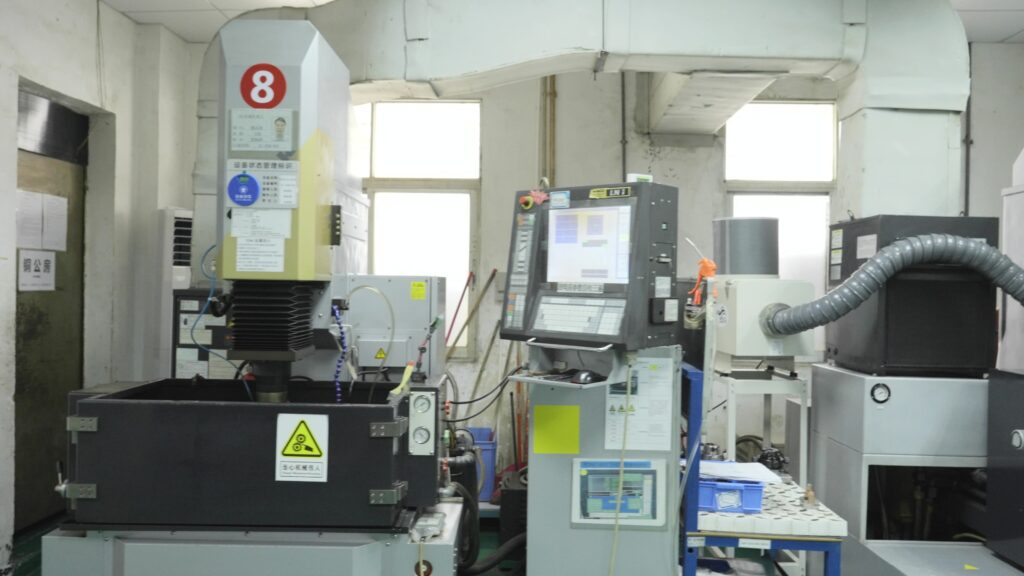
Mirror EDM, slow wire cutting, and high-speed machining reduce hand polishing and rework, which are the least predictable costs in a mold shop. The equipment is not a cost to defer but a way to hold tolerances without depending on individual skill, and that is what makes lead times repeatable.
Supplier Relationships Over Price Hunting
Rotating suppliers to chase the lowest quote adds qualification cost, quality risk, and administrative overhead. Long-term partners invest in tooling and process knowledge that lowers total cost, and they warn early when a design will be expensive to build.
Measuring the Right Numbers
Cost per good part, on-time delivery, and first-pass yield describe a program better than unit price alone. When those three improve, the price is already competitive.
Frequently Asked Questions
Should we cut costs during a downturn?
Cut waste, not capability. Reducing tooling quality or maintenance raises cost when demand returns.
What is the fastest cost reduction lever?
Usually cycle time and scrap, both of which respond to cooling design and process stability.
Does cheaper material always lower cost?
No. A lower-grade resin that raises scrap or slows the cycle usually costs more per good part.
Conclusion
Manufacturing cost reduction holds when it comes from design, tooling, and process discipline rather than from deferred investment. For related reading, see cost reduction reference, our part cost optimization guide, and cycle time and profitability. Contact TCHD to review your program cost.