


Injection mold failures rarely arrive without warning. Cracks start at a sharp corner, flash appears at one end of a parting line, or a core pin bends a little more each shift. Reading those signals early is cheaper than replacing a cavity block, and most prevention work happens before the tool is ever cut.
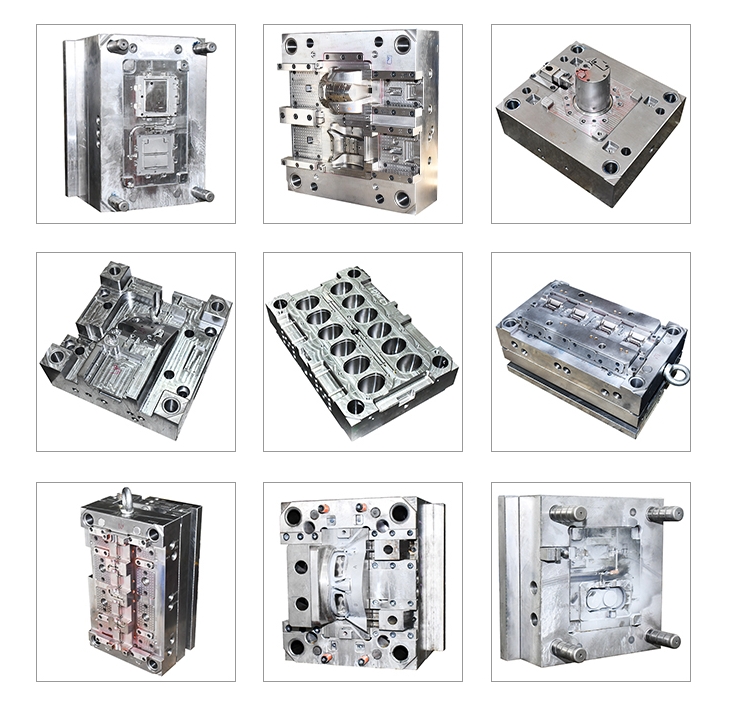
Injection Mold Failures: Patterns Worth Recognizing
Cracking at corners and thin walls, erosion around gates, galling on sliders, stress whitening on ejector pads, and heat checking on hot-runner tips cover most shop-floor failures. Each has a characteristic location and a characteristic cause, which is why the location of a failure is often more informative than its size.
Design Causes
Sharp internal corners concentrate stress and become crack starters under repeated clamping. Insufficient support plates deflect, so parting surfaces open and flash appears. Uneven cooling pulls the tool into a thermal gradient that fatigues steel. Design reviews and flow simulation before cutting steel catch these issues while changes are still drawings.
Material and Steel Selection
An unsuitable steel grade fails in predictable ways: soft steel erodes at gates when running glass-filled resin, and unpolished stainless corrodes when running PVC. Substandard mold bases with soft pockets lose insert fit within months. Qualification of the steel supplier and verification of hardness and composition are basic controls that are often skipped.
Process Settings That Damage Tools
Excessive injection pressure deflects plates and stresses cores. Insufficient pressure produces short shots that operators compensate for by raising temperature, which degrades material and overheats the tool. Clamping force that is too high crushes vents and shut-offs; too low produces flash that is then trimmed with a knife, damaging the parting line.
Ejection Problems
Undercuts, insufficient draft, or a poorly balanced ejector layout raise ejection force until pins punch through the part or bend. Ejection angles should be resolved in design, and the ejector system checked for wear at planned intervals.
Cooling and Thermal Fatigue
Cooling circuits that are unbalanced create hot spots that soften steel locally and accelerate heat checking. Scale buildup in channels reduces flow, which raises mold temperature and cycle time together. Water treatment, flow verification, and periodic descaling protect both part quality and tool life.
Wear, Corrosion, and Contamination
Abrasive fillers wear gates and screw tips; corrosive resins attack polished surfaces; regrind with metal contamination scores cavities. Filters on regrind, correct steel, and surface treatments such as nitriding or coating extend life in each case. Contamination also shows as cosmetic defects before it becomes structural damage.
Maintenance That Prevents Failure
- Inspect shut-offs, vents, and sliders every planned stop
- Record cycle counts and schedule service by count, not by failure
- Protect forming surfaces with rust preventive during idle periods
- Keep a spare-parts list for high-wear items
- Review every failure for a design or process root cause
When to Repair and When to Replace
A cracked insert can be welded and re-machined if the repair does not sit on a sealing surface or a high-polish area. Repeated repairs in the same location signal that the design, not the part, needs attention.
Frequently Asked Questions
What is the most common cause of mold failure?
Corner cracking from sharp internal radii combined with insufficient support and over-pressure.
How long should a mold last?
A well-maintained P20 tool commonly reaches 300,000 to 500,000 cycles; harder steels go further with proper maintenance.
Can a failed mold be saved?
Often yes, by welding, insert replacement, or re-cutting a damaged area, provided the root cause is corrected.
Conclusion
Injection mold failures are prevented by design discipline, correct steel, controlled process windows, and scheduled maintenance. For related reading, see injection moulding reference, our injection molding defects guide, and why cheap molds cost more. Contact TCHD to assess your tool.