

ToolDFM, or design for manufacturability, is central to mold design and manufacturing. It is a structured review and optimization process carried out while product design is still flexible. Its purpose is to confirm that a part can be molded efficiently, economically, and consistently. For engineers and sourcing teams, the analysis covers design, material, process, quality, and production considerations that affect tooling success.
What Is ToolDFM?
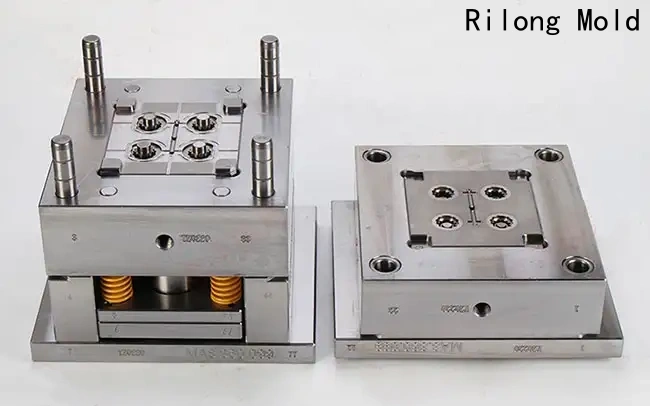
ToolDFM is the discipline of reviewing a part and its tooling concept before the mold is built. It connects the product design to the realities of gating, cooling, ejection, steel selection, and machine capability. A good review answers a simple question: can this part be made repeatedly, at the target cost, with the equipment that will actually run it?
Why ToolDFM Matters Before Steel Is Cut
A strong ToolDFM review helps teams avoid expensive errors before steel is cut. It reduces manufacturing complexity and supports lower costs, faster production, and better product quality. Because the work demands judgment and practical moldmaking knowledge, experienced mold engineers play a critical role. Their input helps turn a design into a high-quality, manufacturable product rather than simply a drawing that looks good on paper.
What a ToolDFM Review Covers
- Part geometry: wall thickness, draft, radii, and undercuts that affect filling and ejection
- Gate and runner design: flow balance, weld line location, and gate removal
- Cooling: circuit layout, temperature uniformity, and cycle time
- Ejection: pin placement, lifters, and sliders for undercuts
- Material: shrinkage, flow behavior, and processing window
- Quality: tolerances, inspection points, and acceptance criteria
Benefits of Early Mold Design Analysis
The benefits extend beyond the tool itself. Careful DFM analysis can shorten production cycles, improve cost-effectiveness, and strengthen a manufacturer’s market position. Each mold design should be optimized for manufacturability, not only for function. This is why ToolDFM is treated as a core technology in mold design and manufacturing rather than a late-stage check.
In practice, DFM findings often feed directly into mold structure selection and Moldflow analysis, so the three activities reinforce each other instead of running in isolation.
TCHD’s ToolDFM and Mold Design Capabilities
TCHD engineers precision molds with mold design, DFM, mold flow analysis, and processing support. The company delivers high-precision, long-life molds for medical, automotive, telecommunications, security camera, and consumer electronics applications. With more than 50 experienced engineers, over 20,000 molds produced for Fortune 500 companies, and precision up to 0.005 mm, TCHD supports demanding programs from design review through production.
For a practical view of how DFM affects tooling and production cost, and for the basics of design for manufacturability, these references are a useful starting point.
ToolDFM vs. Late-Stage Mold Debugging
Some teams treat manufacturability as something to fix during trial molding. That approach works only when the problem is small. Once steel is cut, changing a gate, adding a lifter, or reworking a cooling line means downtime, cost, and schedule risk. ToolDFM moves those decisions forward, where a drawing change costs minutes instead of weeks. It also gives the project a shared reference: designers, mold makers, and quality engineers agree on what good looks like before the build starts. The result is fewer surprises at T1, faster approval, and a mold that reaches stable production sooner.
Frequently Asked Questions
When should a ToolDFM review start?
As early as possible—ideally before the part design is frozen. Changes at that stage cost far less than changes after the mold is built.
Does ToolDFM delay a project?
It usually shortens the overall schedule by preventing rework, tooling changes, and late-stage defects.
Who should join the review?
Part designers, mold engineers, process engineers, and quality teams. Sourcing should be involved when cost or machine compatibility is at stake.
Conclusion
ToolDFM is not a checkbox; it is the point where design intent meets manufacturing reality. Done well, it reduces risk, cost, and time to stable production. To explore mold design and tooling capabilities, or to request a technical review, send your drawing and production requirements to TCHD.