

LED top cover design is more than a cosmetic exercise. The cover must transmit enough light for the display or indicator to read clearly, support branding across several product lines, and stay affordable at volume. For engineers and sourcing teams, the solution usually comes from early collaboration rather than a single clever material.
Why LED Top Cover Design Starts with Collaboration
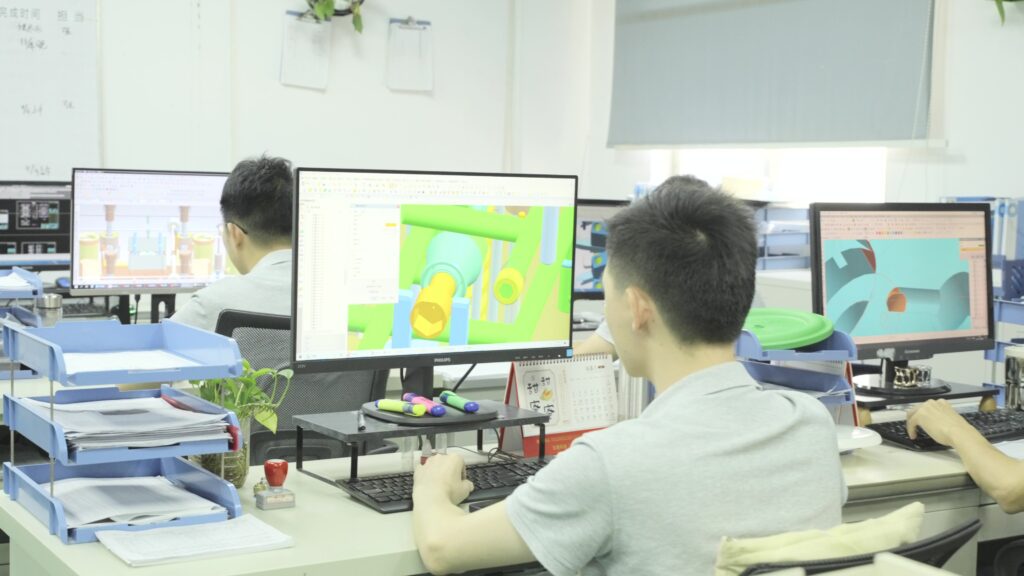
Product development collaboration is more than moving a drawing into production. A successful program depends on early decisions about design intent, material selection, tooling and process, quality controls, and production planning. These choices determine whether an idea can meet performance targets, support multiple brands, and remain affordable at scale.
The Challenge: Light Transmission, Branding, and Cost
A recent conversation with a valued TCHD client illustrated that challenge clearly. The client wanted a top cover that allowed LED light to shine through while staying cost-effective across several brand lines. Instead of relying on expensive translucent inserts for each version, they envisioned one solution that could preserve LED visibility and still leave room for branding flexibility. The exchange was exactly the kind of open discussion that moves an idea forward.
From Concept to Tooling: How the Project Progressed
New projects progress best through honest, two-way communication. When clients describe existing products, creative extensions, or cost concerns, TCHD treats those conversations as a way to connect its engineering expertise with real market goals. Customers bring valuable market insight and face genuine pressure to control expenses. These are not obstacles to avoid; they are practical starting points for dialogue that leads to smoother decisions and stronger outcomes.
Material and Process Choices for LED Top Covers
Several routes can deliver light transmission through a plastic cover:
- Translucent resin: a clear or diffused PC or PMMA grade that spreads light evenly
- Two-shot or overmolding: an opaque body with a molded-in light window
- Insert molding: a pre-formed light guide combined with the cover in one tool
- Laser etching: selective removal of an opaque layer to expose backlit symbols
The right route depends on the target light output, the number of brand variants, and the expected volume. For light-critical parts, PC translucent molding and 2K overmolding are often compared, while two-shot versus overmolding is a separate process decision.
Why Experience Matters in LED Top Cover Design
TCHD’s engineering team brings more than 30 years of experience in mold design and injection molding. That background has supported numerous custom projects through the full from-0-to-1 journey, from first concept to a finished product. Over time, the team has built broad knowledge across varied technical challenges and has delivered solutions tailored to individual client needs—whether the goal is a design optimized for savings or functionality that meets market expectations.
Frequently Asked Questions
Can one top cover serve multiple brands?
Yes, if the design separates the light path from the branding surface. A common light window with variant graphics is usually the most economical approach.
Which material is best for light transmission?
PC and PMMA are common. PC offers toughness; PMMA offers clarity. The choice depends on impact and UV requirements.
How do you avoid light leakage?
Control wall thickness, use opaque ribs, and design the light guide so stray light cannot escape through the housing.
Conclusion
Great LED top cover design begins with a conversation about light, brand, and cost—before the tool is cut. TCHD aims to be more than a manufacturer; it seeks to act as a co-creation partner. To learn more about the basics of LED technology or to start a project, contact TCHD early. Related capability: explore TCHD’s plastic injection molding capabilities, or send your drawing and production requirements for a technical review.