


When a quote looks high, the first instinct is often to ask for cheaper steel. That question usually misses the main driver. Steel is a line item, but the structure of the part and the tooling it requires decide most of the price difference between two suppliers.
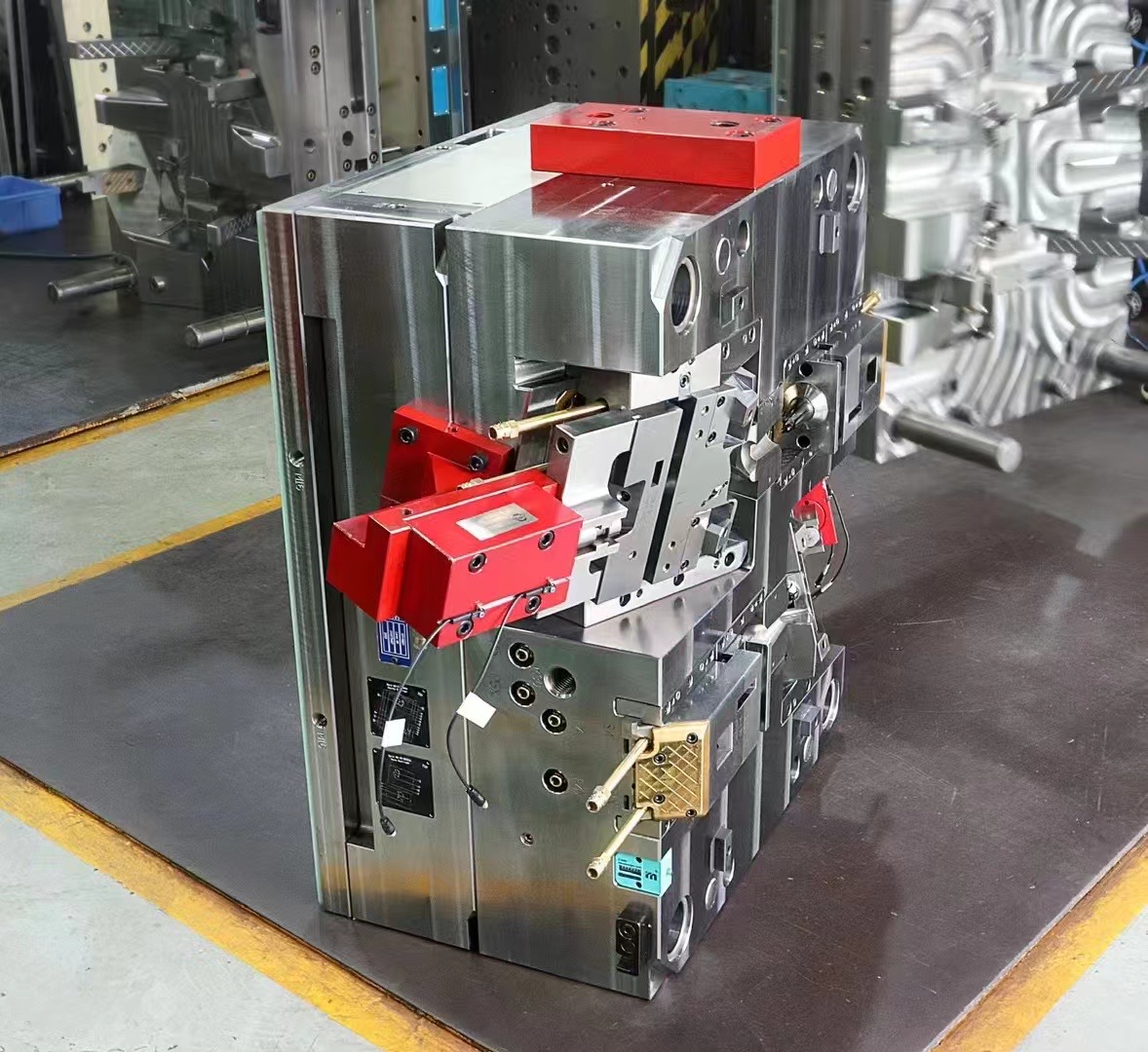
How Much of Injection Mold Cost Is Steel
For most small and medium tools, steel accounts for roughly 10 to 20 percent of the total price. Moving from P20, H13, S136, or NAK80 to a premium brand raises the material line, but it rarely causes a dramatic jump in the overall project. Machining hours, design engineering, electrode work, polishing, fitting, and trials consume the rest.
Design Complexity Drives Tooling Hours
A straightforward part can often be produced with basic CNC milling and a simple two-plate tool. Undercuts, snap fits, thin walls, and intricate geometry change that. Sliders, lifters, hydraulic cylinders, and unscrewing mechanisms each add design effort, machining time, assembly, and maintenance risk. Two parts with the same envelope can differ by a factor of two in tooling hours because of features the buyer never sees in the quote.
Tolerance, Cosmetic Standard, and Cavitation
Tight tolerances demand better machines, more measuring, and sometimes additional process capability studies. High-gloss or textured cosmetic faces require careful polishing and, for textures, etched patterns that add cost. Cavitation multiplies cavity work and cooling layout, so a four-cavity tool costs far more than twice a single-cavity tool.
Where Cheaper Quotes Come From
A low quote may use lower-grade steel, thinner plates, simplified cooling, less polishing, or fewer trials. Some of that is legitimate for low volume; some transfers risk to the buyer. Ask what steel, what plate thickness, what cooling layout, and how many trials are included, then compare scope instead of headline numbers.
Costs After the Tool Is Paid For
Total cost includes cycle time, scrap rate, maintenance, and downtime. A tool with poor cooling runs a longer cycle for years, and a design with a fragile lifter creates recurring repair cost. Part price and tool price should be evaluated together over the expected volume.
How to Reduce Injection Mold Cost Sensibly
- Simplify geometry where function allows, especially in undercut areas
- Relax tolerances that do not affect fit or performance
- Use a grade of steel matched to volume rather than to habit
- Standardize mold bases and cooling components
- Approve texture and cosmetic standards before cutting steel
Frequently Asked Questions
Does a more expensive steel always last longer?
Only when wear, abrasion, or high volume justifies it. For short runs, better machining and cooling matter more than steel grade.
Can I get a firm price without a 3D model?
A rough range is possible, but features such as undercuts and tolerance calls can shift the number significantly.
Is a single-cavity tool always cheaper overall?
Not always. At high volume, a multi-cavity tool can lower part cost enough to pay back the extra tooling.
Conclusion
Injection mold cost follows geometry, precision, and scope far more than steel grade. For related reading, see mold making background, our manufacturing quality control guide, and injection molding cycle time. Contact TCHD for a scope-based quote.