


This case study covers the design, material, process, quality, and production decisions behind injection-molded parts with a premium soft-touch finish. A hookah brand came with a demanding brief: components that felt premium in the hand and used a specialized silicone oil spray coating, while still meeting structural and reliability requirements.
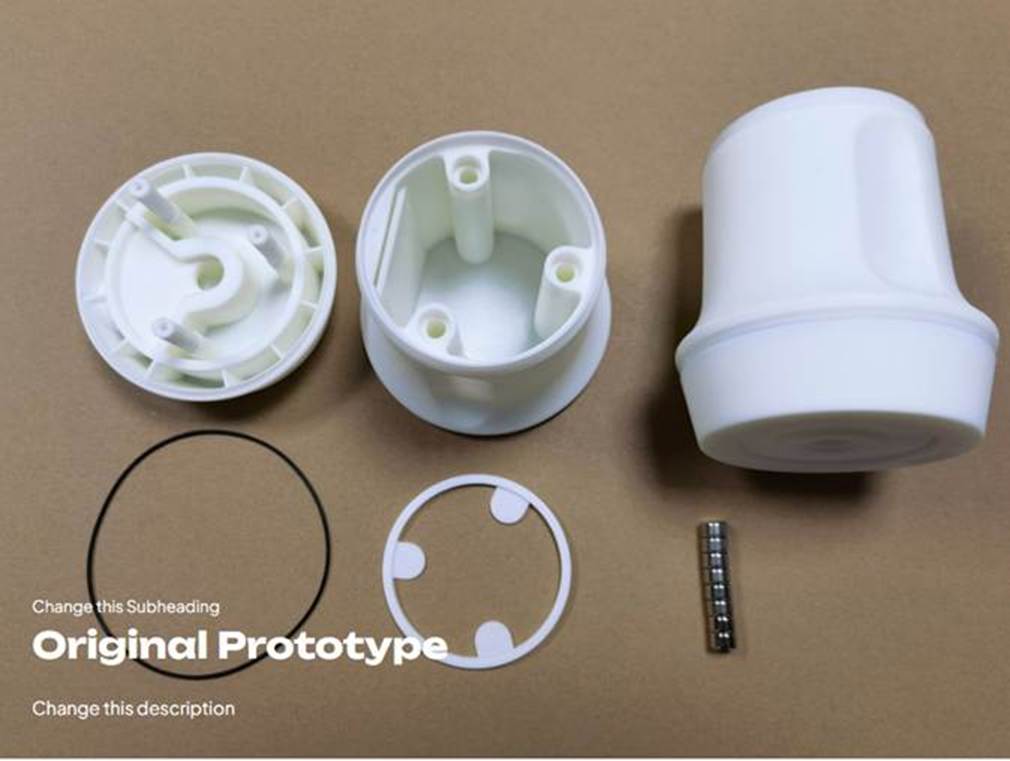
The Brief and the Constraints
The parts had to look and feel premium, resist handling and cleaning, and stay dimensionally accurate enough to assemble with metal and glass components. The soft-touch layer had to survive repeated contact without turning tacky or wearing through at edges. Appearance zones were tight, and the customer wanted a consistent finish across colors.
Substrate and Coating Selection
ABS and PC/ABS were evaluated for moldability and coating adhesion. The silicone oil spray coating was chosen for its dry, velvety feel and resistance to skin oils. Because coating performance depends on the substrate surface, gate location and flow marks had to be controlled first; a coating cannot hide a flow line, it only makes it more visible.
Part and Mold Design
Uniform walls reduced sink and warpage. Radii at edges prevented coating thin-out, which is where wear starts. Textures were kept shallow enough to coat evenly but deep enough to hide handling marks. Ejection was placed away from cosmetic faces, and the parting line was moved to a non-visible edge.
Process Window Development
Molding parameters were set for a dense, stress-free skin: moderate injection speed, adequate packing, and a mold temperature high enough to avoid frozen-in stress that later causes blisters under coating. Drying was controlled for each resin lot, since moisture shows through a thin coating as pinholes.
Coating Application and Curing
Parts were cleaned, masked, sprayed in controlled passes, and cured at a defined profile. Film thickness was measured on coupons, and adhesion was tested with tape and cross-hatch methods. The first trials showed edge build-up, solved by adjusting spray angle and part rotation rather than by adding solvent.
Quality Plan and Production
Inspection covered appearance under defined lighting, film thickness, adhesion, and abrasion resistance. Assembly trials confirmed fit with mating parts, since coating thickness affects interference. Production then ran with lot traceability from resin to coating batch, which shortened the response when a color variation appeared months later.
Lessons for Similar Programs
- Design the part for coating, not the other way around
- Control flow marks before the finish step hides nothing
- Fix the process window before scaling, not during ramp-up
- Define acceptance lighting and boundary samples in writing
Conclusion
Soft-touch plastic components succeed when substrate, mold design, coating, and inspection are developed as one system. For related reading, see coating reference, our hookah manufacturing guide, and surface treatment overview. Contact TCHD to plan a similar finish.