


18Sep2026
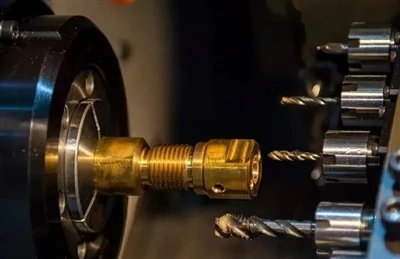
How Does CNC Machining Transform Modern Electronics Manufacturing?
How Does CNC Machining Transform Modern Electronics Manufacturing? The electronics industry has witnessed remarkable evolution over the past few decades, and at the heart of this transformation lies precision manufacturing technology. When we talk about producing the intricate components that power our smartphones, medical devices, and aerospace systems, CNC electronics manufacturing stands as a cornerstone technology that bridges the gap between design imagination and physical reality. This advanced manufacturing process has fundamentally changed how we approach electronics production, offering unprecedented accuracy and repeatability that traditional methods simply cannot match. The marriage between computer numerical control technology and electronics manufacturing represents more than just an incremental improvement-it's a complete paradigm shift in how we think about producing electronic components. From tiny connector pins to complex heat sinks, this technology enables manufacturers to create parts with tolerances measured in microns, opening up possibilities that seemed impossible just a generation ago. The Foundation: Understanding Precision Machining in Electronics Before diving into specific applications, it's worth understanding what makes CNC technology so uniquely suited for electronics manufacturing. Unlike conventional machining where an operator manually controls the cutting tools, computer numerical control systems use pre-programmed software to dictate the movement of factory machinery. This automation brings several critical advantages to electronics production. The precision achievable through modern CNC systems reaches levels that human operators could never consistently maintain. We're talking about tolerances of ±0.0001 inches (2.5 microns) or even tighter in some specialized applications. For electronics components where a fraction of a millimeter can mean the difference between a functioning circuit and a failed product, this level of accuracy isn't just desirable-it's absolutely essential. Moreover, the repeatability factor cannot be overstated. Once a CNC program is perfected, it can produce thousands or even millions of identical parts without variation. This consistency...
read more
18Sep2026
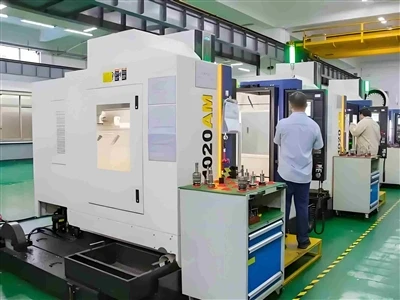
How Are CNC Machined Products Transforming Your Daily Life?
How Are CNC Machined Products Transforming Your Daily Life? Walk into any modern home, and you're surrounded by precision. That sleek coffee maker humming on your counter, the smartphone resting in your palm, even the doorknob you turned to enter-all share a common manufacturing ancestry. CNC machined products have quietly infiltrated every corner of our daily existence, transforming ordinary household items into marvels of engineering precision. Yet most consumers remain completely unaware of the sophisticated manufacturing technology that makes their favorite products possible. The global CNC machine market reached $104.24 billion in 2024 and analysts project it will surge to $169.8 billion by 2034, growing at a steady 5% annually. This explosive growth isn't happening in isolated industrial facilities-it's reshaping the articles for daily use sector in ways that directly impact product quality, durability, and affordability for everyday consumers. The Hidden Technology Behind Your Morning Routine Your typical morning unfolds with an orchestra of precision-engineered products. That stainless steel blade in your blender? Machined to tolerances within micrometers. The aluminum housing of your electric toothbrush? Carved from solid metal blocks by computer-controlled mills. The faucet handle in your bathroom? Its brass components underwent multi-axis machining to achieve both aesthetic appeal and functional reliability. Computer Numerical Control technology operates on a deceptively simple principle: computers guide cutting tools with mathematical precision, removing material from raw blocks to create finished components. Unlike traditional manufacturing where human operators manually control machines, CNC systems follow digital blueprints with unwavering accuracy. This automation enables manufacturers to produce thousands of identical parts, each meeting exact specifications down to fractions of a millimeter. Traditional machining methods relied heavily on operator skill, leading to inevitable variations between products. CNC technology eliminated this inconsistency lottery. Modern consumers purchasing daily use articles receive reliably consistent quality regardless of which...
read more
18Sep2026
18Sep2026
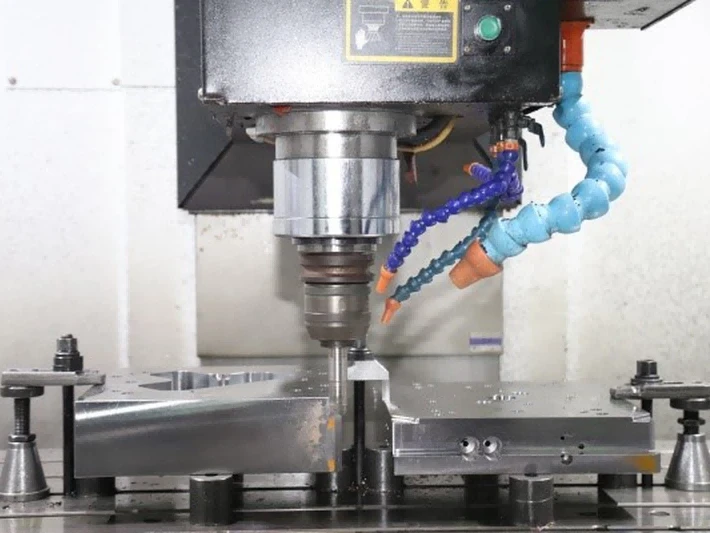
How Much Does Precision CNC Machining Cost?
How Much Does Precision CNC Machining Cost? A medical device company asked us to review a competitor's quote not long ago-$127 per part for a tita
read more
18Sep2026
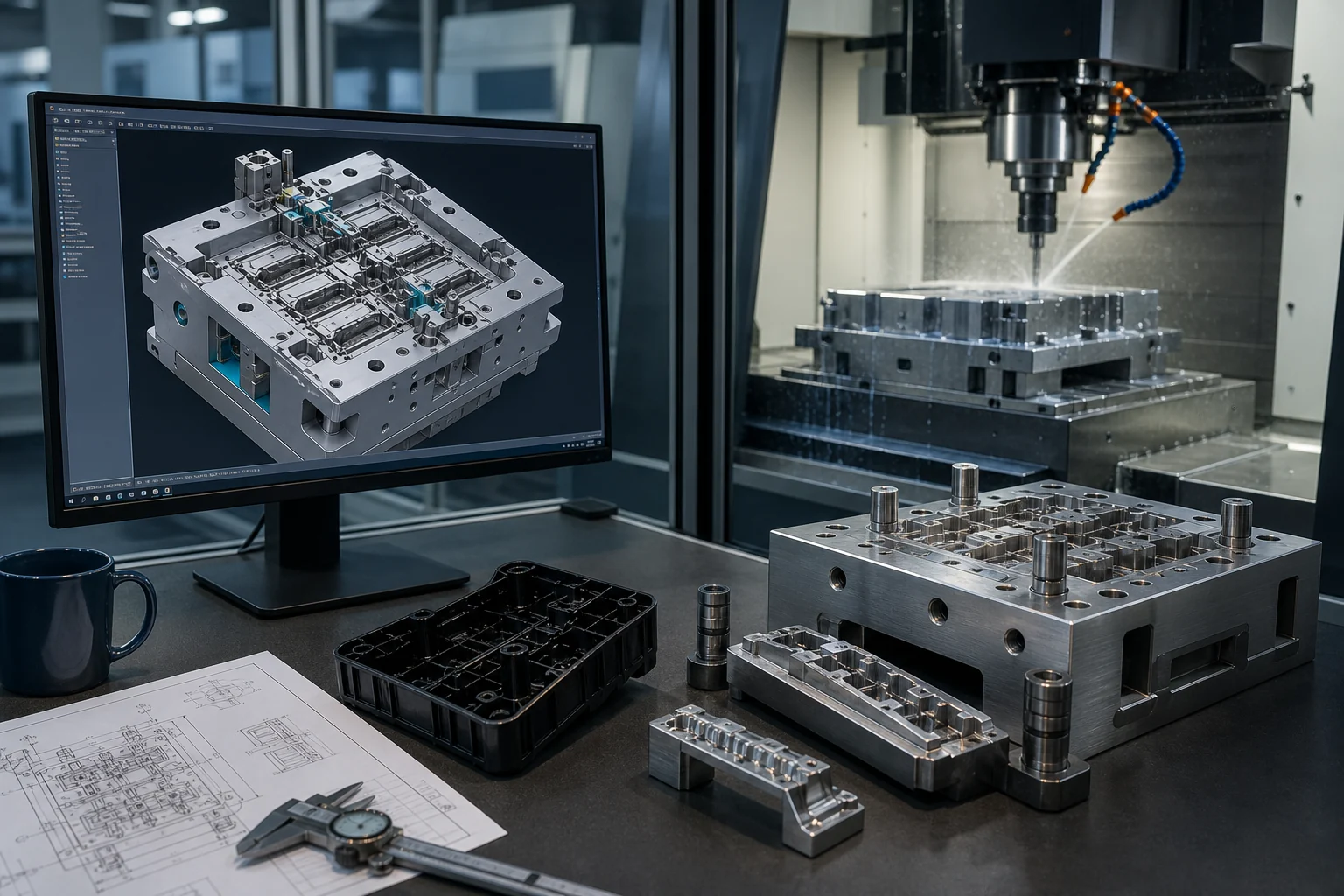
Injection Mold Development Process: From DFM to Stable Mass Production
Follow the complete path from product requirements and mold design to trials, validation and stable production.
read more
18Sep2026
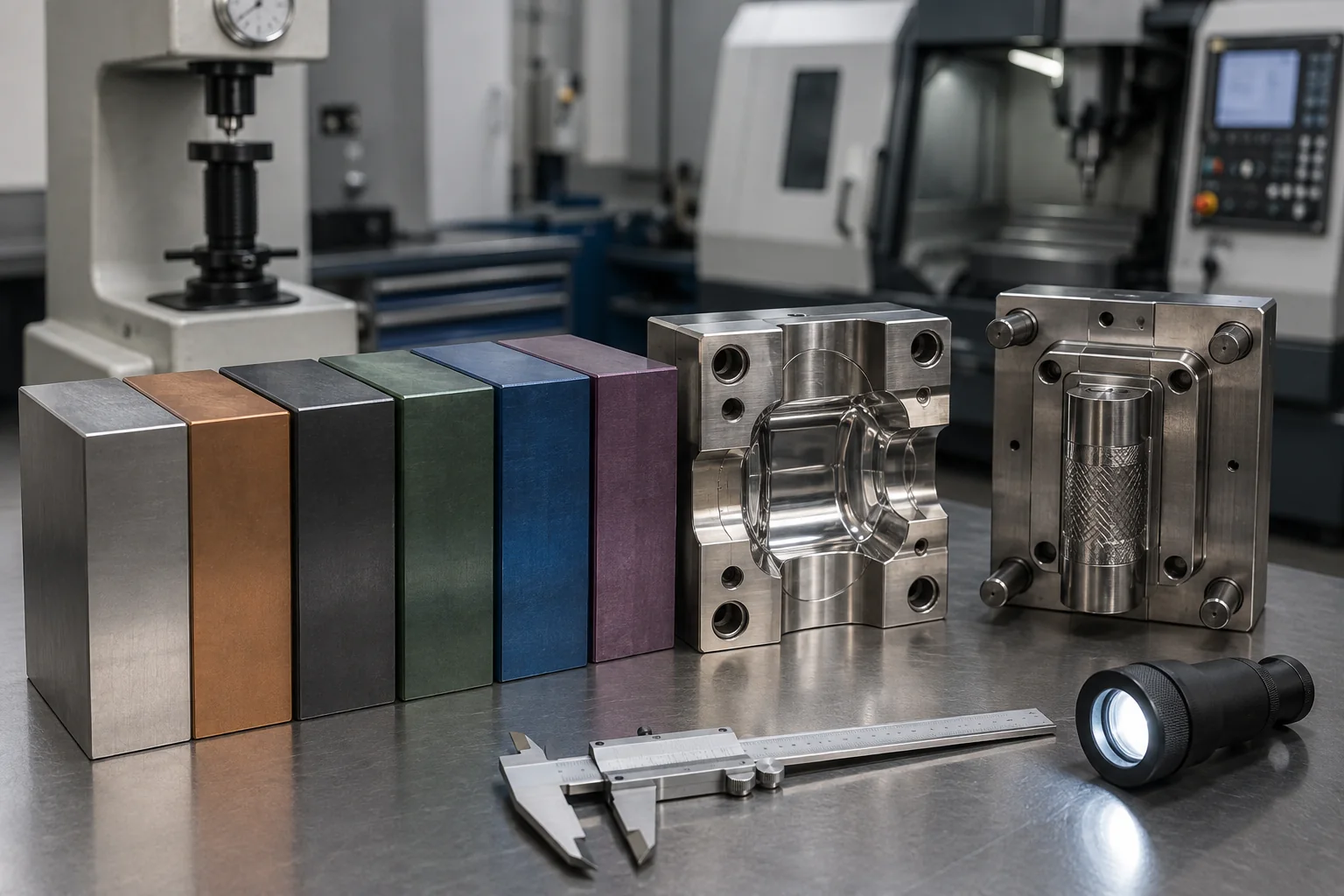
How to Choose Injection Mold Steel: P20, H13, S136 and Other Options
Steel selection is one of the earliest decisions in a tooling project, and one of the hardest to reverse. The grade affects machinability, polishability, wear life, corrosion resistance, and price. Choosing by habit rather than by requirement is how projects end up with a tool that either wears out early or costs more than the program can absorb. What the Steel Must Do The cavity and core must hold dimensions across the expected shot count, resist the resin's chemistry and fillers, and accept the required surface finish. Those three demands set the shortlist. Volume sets hardness, resin sets corrosion and abrasion resistance, and cosmetics set polishability. Pre-Hardened Grades: P20, 718, 738 P20 and its relatives arrive pre-hardened around 30 HRC, machine easily, and suit moderate volumes with commodity resins. They polish acceptably for many textures but are not ideal for optical surfaces. 718 and 738 offer better cleanliness and polishability at higher cost, which matters on visible parts. NAK80 and Mirror Polishing NAK80 is a pre-hardened grade known for excellent polishability and uniform hardness. It suits cosmetic parts, transparent components, and textured surfaces where a fine grain is required. It is softer than hardened H13, so abrasive fillers shorten its life. H13 and Hardened Tools H13 is typically hardened to 48 to 52 HRC after machining. It resists abrasion and heat, which makes it a common choice for glass-filled resins, high-volume runs, and hot runner manifolds. Hardened tools cost more to machine and repair, so the volume must justify them. S136 and Corrosion Resistance S136 is a stainless mold steel with good corrosion resistance and polishability. It suits PVC, flame-retardant resins that release corrosive byproducts, and medical or optical parts. Its machinability is lower than P20, which affects lead time. Matching Steel to Volume Under 50,000 shots: P20 or 718...
read more
18Sep2026
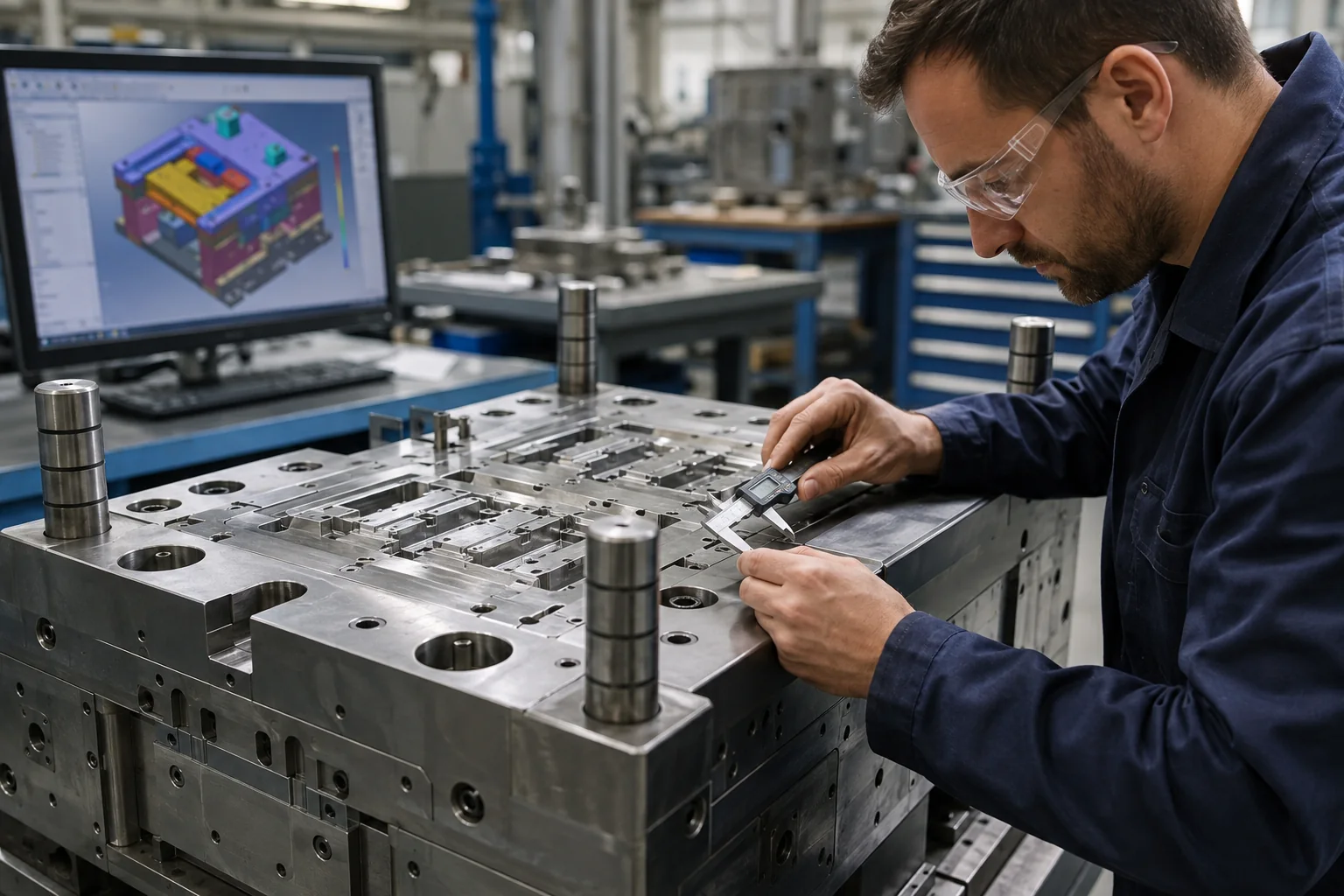
How to Prevent Common Injection Molding Defects Before Production
Most injection molding defects are cheaper to prevent than to correct. Once a tool is cut and a process is running, every fix costs steel, downtime, or scrap. The practical route is to close the known failure modes during design review, before the first trial. Start With a Real DFM Review A design for manufacturability review should name the specific risks: thin walls, sharp corners, undercuts, uneven sections, and gate locations that would place a weld line on a cosmetic face. Each risk should come with a proposed change and the cost of not making it. A review that only says "looks fine" has not happened. Wall Thickness and Sink Marks Sink appears where thick sections cool after the gate freezes. Ribs should be 50 to 60 percent of the nominal wall, bosses should be cored, and transitions should be gradual. Where a thick section is unavoidable, gate near it so packing can continue. Warpage and Cooling Balance Warpage comes from differential shrinkage. Cooling circuits on both halves should be designed together, and thick areas need dedicated cooling rather than an even grid. Mold temperature difference across the part is the variable to control, not just the average. Weld Lines and Structural Weakness Weld lines form where flow fronts meet. They are always weaker than bulk material, so they should not sit on a latch, a sealing face, or a high-stress area. Flow analysis before cutting steel identifies where they will land and whether a gate change moves them. Flash and Venting Flash appears when clamp force cannot hold the parting line closed or when venting is inadequate. Vent depth must suit the resin: too shallow traps gas, too deep allows flash. Venting belongs in the tool drawing with a specified depth and a cleaning interval. Material and Drying Discipline...
read more
16Sep2026
Metal Injection Molding
Metal injection molding sits between machining and powder metallurgy. Fine metal powder is mixed with a polymer binder, molded like plastic, then debound and sintered into a dense metal part. The route suits small, complex, high-volume components that would be expensive to machine feature by feature. How the Process Runs Feedstock is prepared by mixing metal powder with a binder system, then pelletized. The material is injection molded in a tool similar to a plastic mold, but with larger gates and generous cooling to handle high thermal mass. Green parts are debound thermally or by solvent, then sintered near the alloy's melting range to reach full density. Shrinkage and Tool Design Sintering shrinks the part by roughly 15 to 20 percent linearly, depending on alloy and powder loading. The tool is cut oversize to compensate. Shrinkage is isotropic in theory but varies with flow orientation and section thickness, so dimensional tolerances are wider than machining and should be specified from the process capability rather than from habit. Common Alloys Stainless steels: 316L and 17-4PH for corrosion and strength Low-alloy steels: for wear parts and structural components Soft magnetic alloys: for sensor and motor components Titanium and copper: for weight or conductivity needs Where MIM Beats Machining Parts with many small features, blind holes, or complex 3D geometry benefit most, because the molding step forms them in one cycle. At volumes in the tens of thousands, MIM often undercuts machining cost. At low volume, tooling amortization makes machining cheaper. Design Rules Keep walls uniform to limit distortion during sintering. Avoid sharp corners, and provide radii of at least 0.1 mm. Undercuts need sliders or split tools, which add cost. Threads can be molded but are often added by machining after sintering for accuracy. Marking and identification should be molded, not stamped...
read more
15Sep2026
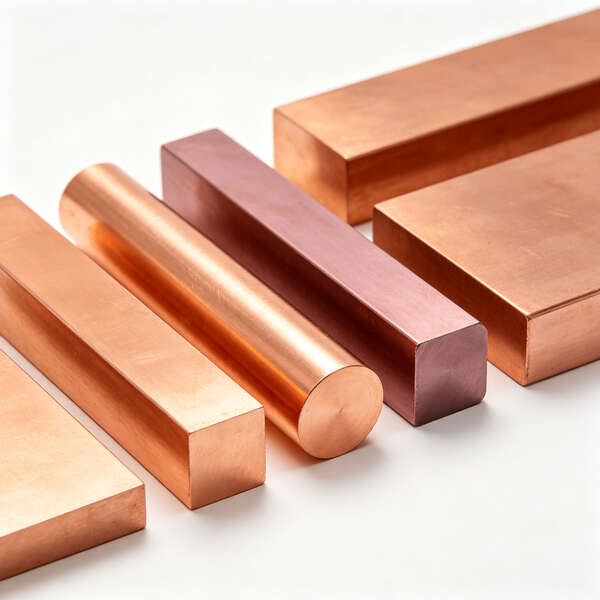
Plastic Injection Mold Fundamentals: Design, Tooling Choices and Cost Drivers
A practical guide to plastic injection mold design and construction, covering tool anatomy, steel selection, cooling, ejection, validation and the factors that drive tooling cost and lead time.
read more
15Sep2026
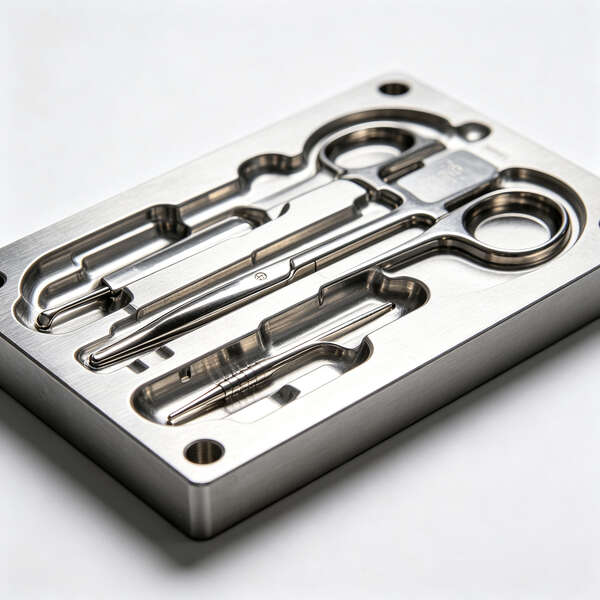
Robot Parts Injection Molding: Material and Process Considerations for Precision Plastic Components
Learn how injection molding produces durable, precision robot parts. Explore materials, design rules, tolerance control, and quality assurance for robotics applications.
read more