


13Oct2026
How to Choose an Experienced Custom Molding Supplier
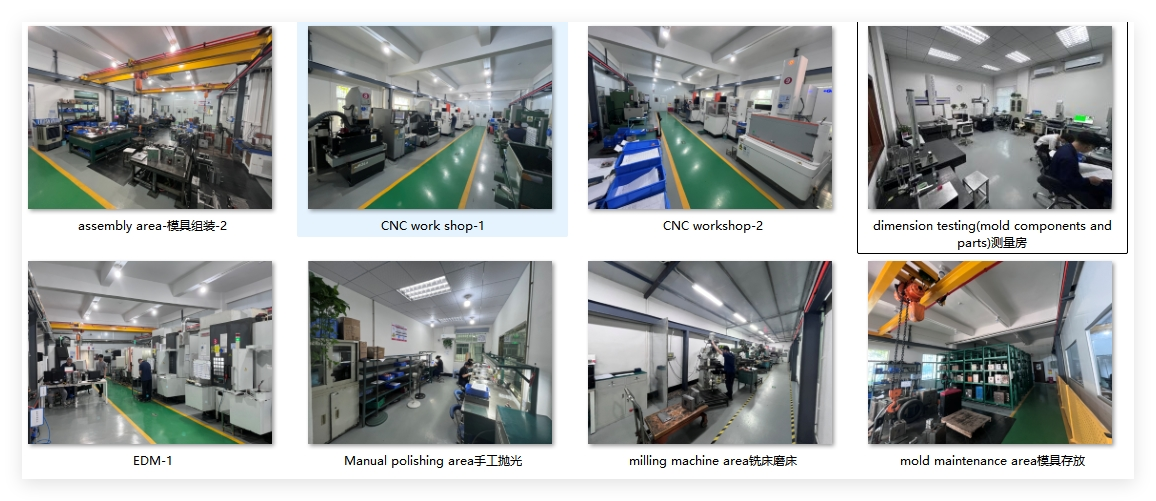
Every mold factory claims experience, but real expertise shows up long before steel is cut. A capable custom molding supplier can read a 3D model and spot manufacturability risks early, instead of approving a design that later proves difficult to machine, hard to assemble, or prone to failure in production. Ask for a DFM Report First Request the report before any purchase order. A strong report identifies undercuts, thin walls, cooling challenges, weld line locations, and fit risks, then proposes practical fixes with the cost implication of each. A supplier who only sends a price and a lead time has not looked at the part. Questions That Reveal Capability Which press will run this tool, and how was it matched? What steel grade and hardness, and why that choice? How is the tool vented, and where is the parting line? What is the planned cavitation and expected cycle time? Which features will be measured at first article, and with what instrument? Tooling and Maintenance Practice Ask to see the tool shop, or at least photographs of machining, EDM, and assembly areas. A supplier with in-house spotting and tryout capability solves fit problems before shipping. Maintenance policy matters as much as build quality: a documented schedule by shot count, spare inserts, and a record of past repairs tells you how the tool will age. Quality System and Records ISO 9001 certification is a baseline; the real question is whether the system produces usable records. Request a sample control plan, a first-article report, and a dimensional report from a similar project. Look for measured values with instrument identification, not a page of check marks. Communication and Change Control During a project, engineering changes are normal. A good supplier documents each change, states the schedule and cost effect, and updates drawings. A supplier...
read more
13Oct2026
Injection Molding Defects: Troubleshoot 28 Common Issues by Material, Process, Mold, and Machine
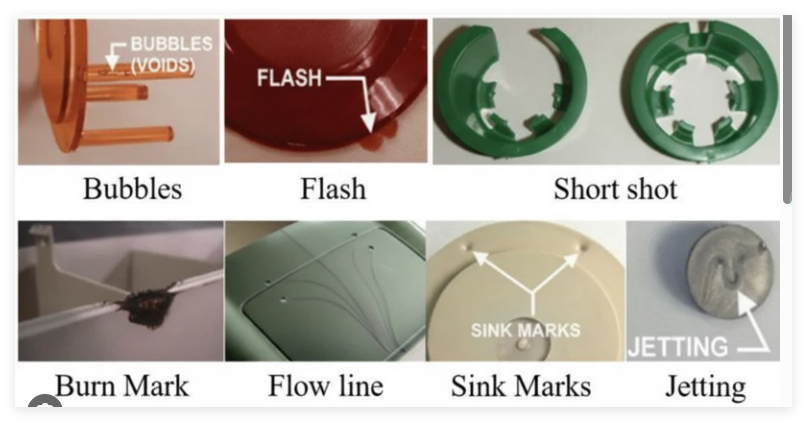
Injection molding problems rarely appear without a cause. When a defect shows up on the floor, the source can usually be narrowed to one of four areas: the material, the process settings, the mold, or the machine. Treating those four pillars as a diagnostic framework moves a team from guesswork to a focused root-cause search. The Four-Pillar Diagnostic Framework Before changing any setting, identify which pillar the evidence points to. Material issues show as lot-to-lot variation and drying-related splay. Process issues repeat with a specific parameter window. Mold issues stay on one cavity, one location, or one feature. Machine issues follow the press, not the tool. This single step eliminates most random adjustments. Material-Related Defects Silver streaks and splay point to moisture or degraded resin. Black specks indicate contamination or a worn barrel. Weak weld lines often follow high filler content or low melt temperature. Color streaks come from poor mixing or masterbatch dosing. Verify drying temperature and dew point first, because it is the cheapest check with the largest effect. Process-Related Defects Short shots, flash, sink marks, warpage, and jetting usually respond to fill speed, pack pressure, hold time, and melt temperature. Establish a scientific molding window rather than adjusting one parameter at a time. A gate freeze study fixes hold time; a pressure drop study fixes fill speed; a cooling curve fixes mold temperature. Mold-Related Defects Flash on one side only, sticking in one cavity, or a repeatable burn mark in the same corner points to the tool. Check vent depth, ejector balance, cooling circuit flow, and gate condition. Erosion at the gate after high-volume runs changes fill patterns quietly and produces defects that no process change can fix. Machine-Related Defects Inconsistent shot size, drifting cushion, hydraulic fluctuation, and check-valve wear show up as weight variation and dimensional...
read more
12Oct2026
Rilong Precision Mold Showcases Injection Molding and LSR Solutions at LEAP 2026
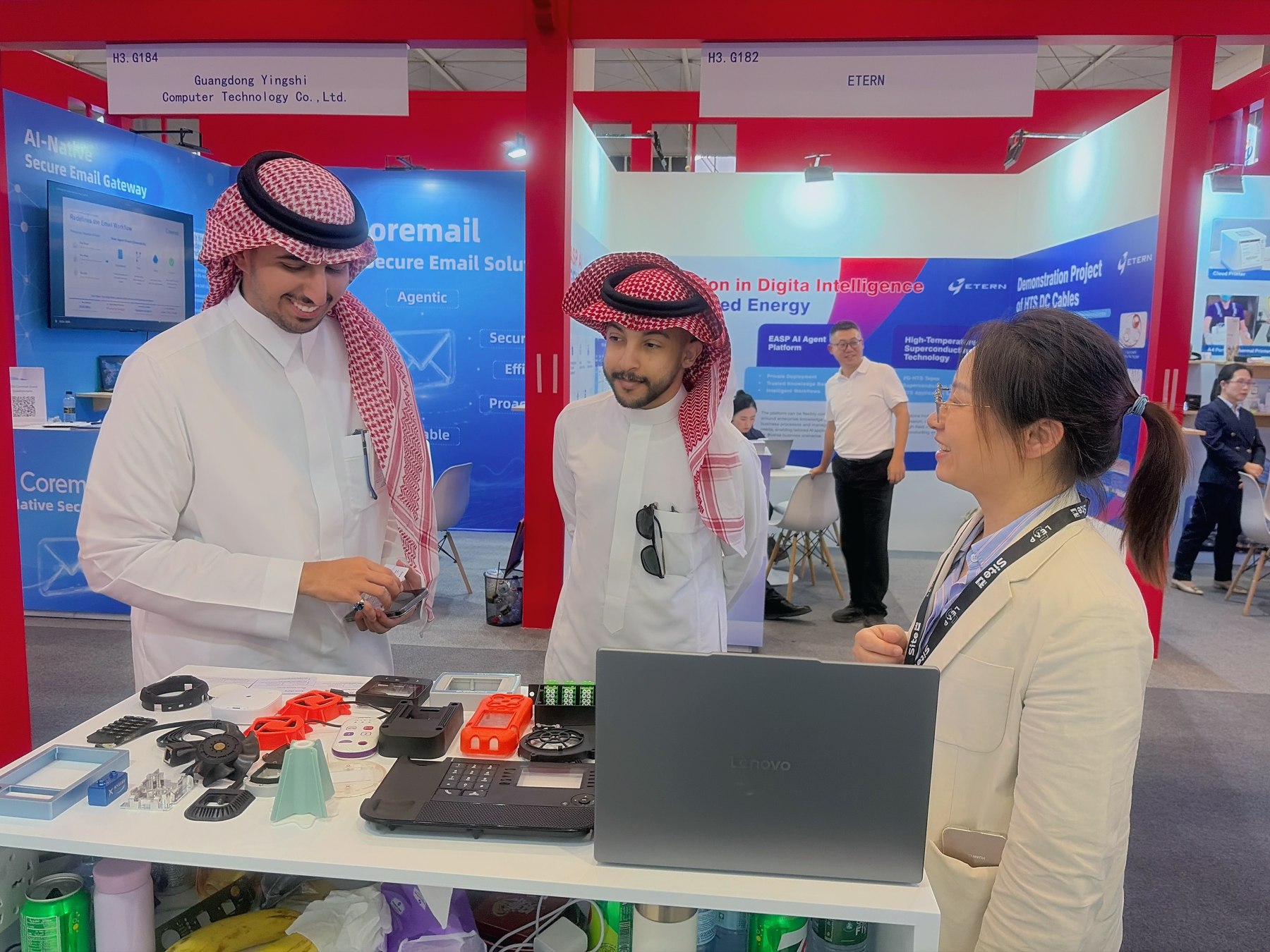
At LEAP 2026, Rilong Precision Mold demonstrated injection-molded components, LSR seals, automotive connectors, and multi-material parts, engaging engineers and buyers on tooling, material selection, and production readiness.
read more
20Sep2026
Advanced CNC Grinding Solutions
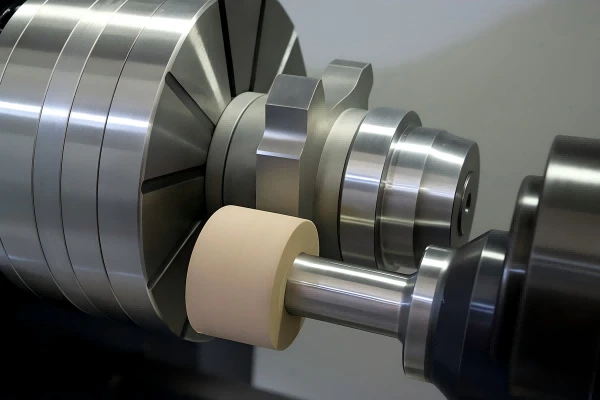
Advanced CNC Grinding Solutions In today's manufacturing landscape, Abismould represents the pinnacle of surface and profile grinding excellence, drawing from nearly three centuries of combined technological advancement. Our expertise in developing cutting-edge, highly productive CNC grinding equipment sets us apart in the industry. This comprehensive guide explores everything you need to understand about CNC grinding technologies, specifically focusing on surface and profile grinding applications. Whether you're seeking a new surface grinding machine or profile grinding equipment, we've got you covered. We'll examine various CNC grinding machinery options, including 5-axis and 6-axis grinding systems, rotary table grinding equipment, vertical grinding machines, and specialized grinding solutions under the Abismould umbrella. When you integrate Abismould equipment and technology into your facility, you gain immediate and ongoing access to Abismould North America's support network. This ensures our expertise, attention to detail, and problem-solving capabilities are always at your disposal for all your CNC grinding needs. Why Choose Abismould Surface and Profile Grinders? Achieving world-class surface and profile grinding results requires consistent precision, exceptional performance, and outstanding productivity. Whether you're performing heavy stock removal through creep feed grinding, manufacturing advanced tooling with broach grinding, or executing single-setup production on multi-process CNC grinding equipment, Abismould helps you achieve those coveted levels of accuracy, performance, and efficiency. Our comprehensive CNC grinding portfolio is renowned for its adaptability to meet your unique requirements and specifications. Selecting Abismould for your surface and profile grinding requirements means obtaining a customized CNC grinding solution designed specifically for your workshop needs. CNC Surface and Profile Grinding Applications Since our applications specialists collaborate directly with you to develop specialized CNC grinding machinery, Abismould serves virtually any manufacturing environment and facility size effectively. Engineered for versatility, power, and efficiency, our surface and profile grinders handle diverse applications including broaching tools, spline couplings, thread...
read more
20Sep2026
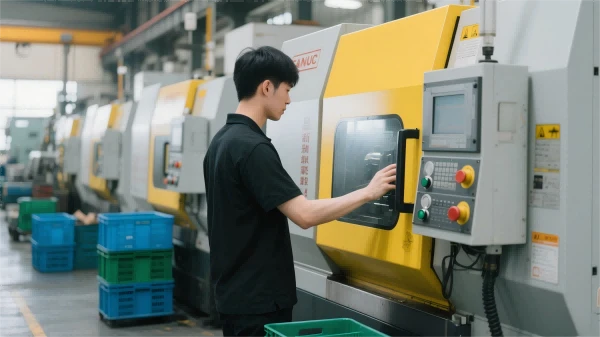
Professional CNC Turning Manufacturing Solutions
CNC turning covers the family of round parts that most assemblies depend on: shafts, bushings, fittings, spacers, and threaded connectors. Because the workpiece rotates while a single-point tool cuts, turning delivers concentricity and surface finish that are hard to match by any other route. What CNC Turning Can Produce A two-axis lathe handles external diameters, faces, grooves, and threads. Adding a tailstock and steady rest extends the working length for long shafts. With live tooling and a sub-spindle, the same machine can mill flats, drill cross holes, and finish the back side without a second setup, which protects concentricity across features. Tolerance and Surface Finish Expectations Typical production tolerance on a well-controlled lathe sits within a few hundredths of a millimeter, with tighter bands achievable on critical diameters through in-process gauging. Surface finish depends on tool geometry, feed rate, and material; a finishing pass with a sharp insert and light feed produces a smooth band, while roughing leaves visible tool marks that later operations must remove. Material Behavior on the Lathe Aluminum 6061 cuts freely and suits housings and adapters. Stainless 303 machines well but work-hardens if the tool dwells, while 316 offers corrosion resistance at higher cost. Brass and copper alloys reward high speeds; titanium and nickel alloys demand low speeds, rigid setups, and generous coolant. Plastics such as POM and PEEK turn cleanly when sharp tools and air blast prevent melting and chip welding. Setup, Fixturing, and Repeatability Bar feeders support unattended runs of small parts; collets hold better concentricity than three-jaw chucks for finished diameters. For thin-wall parts, soft jaws or expanding mandrels prevent distortion. First-article inspection confirms the setup, and periodic checks during the run catch tool wear before it drifts out of tolerance. Quality Control for Turned Parts Inspection usually combines micrometers and bore gauges...
read more
20Sep2026
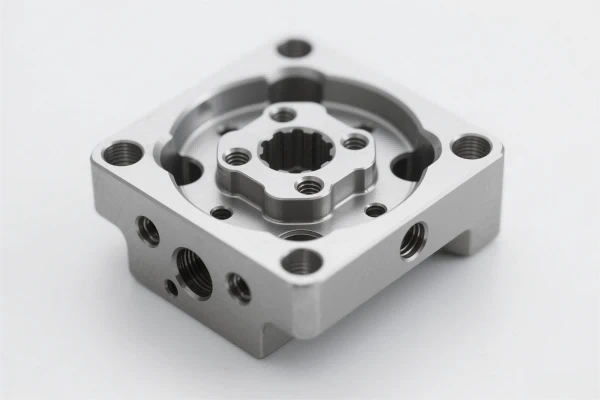
CNC Milling Customized Services
CNC milling represents a sophisticated manufacturing methodology that employs computer-controlled machinery to precisely sculpt and form various materials including metallic alloys, polymer compounds, and composite substances. CNC milling technology delivers
read more
18Sep2026
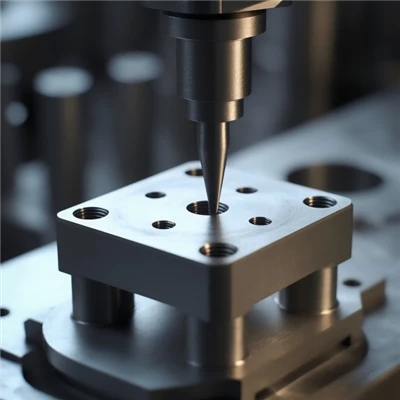
How Do CNC Automotive Parts Transform Modern Vehicle Manufacturing?
How Do CNC Automotive Parts Transform Modern Vehicle Manufacturing? The automotive industry has undergone tremendous transformation over the past few decades, with manufacturing technologies evolving at an unprecedented pace. Among these innovations, the production of cnc automotive parts has emerged as a cornerstone of modern vehicle manufacturing, fundamentally changing how cars are designed, prototyped, and mass-produced. This precision manufacturing method has become indispensable for automakers seeking to meet increasingly strict quality standards while maintaining competitive production costs. The integration of computer numerical control technology into automotive manufacturing represents more than just an upgrade to traditional machining methods. It's a complete paradigm shift that has enabled manufacturers to achieve levels of precision, consistency, and efficiency that were simply impossible with manual machining processes. Today's vehicles contain hundreds of precisely machined components, from engine blocks and transmission housings to intricate suspension parts and custom interior trim pieces. Understanding CNC Technology in Automotive Context Computer numerical control machining operates through sophisticated software systems that control cutting tools with remarkable precision. The process begins with detailed CAD (Computer-Aided Design) models that engineers create with exact specifications for each component. These digital blueprints are then converted into machine-readable code that directs every movement of the cutting tool, controlling depth, speed, feed rate, and tool path with microscopic accuracy. What makes this technology particularly valuable in automotive manufacturing is its ability to work with a wide variety of materials. Modern vehicles incorporate everything from traditional metals like aluminum and steel to advanced composites and specialized alloys. CNC machines can handle this diversity with ease, switching between materials and adjusting cutting parameters automatically to achieve optimal results for each application. The typical automotive CNC workshop houses several types of machines, each specialized for different tasks. Multi-axis milling centers can create complex three-dimensional shapes, while turning...
read more
18Sep2026
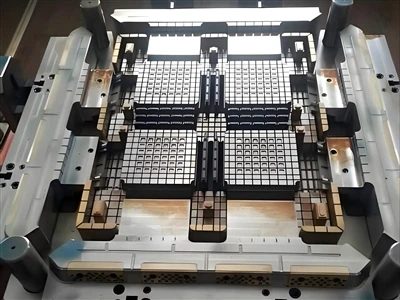
How is the CNC machining industry reshaping the production of modern industrial equipment?
How Is CNC Machining Industry Reshaping Modern Industrial Equipment Production? The transformation sweeping through manufacturing floors worldwide has one technology at its core: cnc machining industry solutions that deliver precision within micrometers while slashing production times by 40%. Picture a machine shop in Ohio that recently integrated IoT-enabled CNC systems-their throughput jumped 15% within three months, and they're running lights-out operations that were pure fantasy just five years ago. This isn't isolated success; it's the new baseline. Manufacturing has entered an era where traditional methods simply can't keep pace. The industrial equipment sector faces mounting pressure: tighter tolerances, exotic materials like Inconel and Hastelloy, and customer demands for customization at production-line speeds. Manual machining? That's becoming the manufacturing equivalent of sending telegrams in the smartphone age. What makes this shift so compelling is the convergence happening right now. Advanced CNC systems aren't just faster-they're smarter, connected, and increasingly autonomous. The global CNC machine market tells the story in hard numbers: valued at $95.29 billion in 2024, projections show it rocketing to $195.59 billion by 2032. That's a 9.9% compound annual growth rate driven by one reality-industries that don't embrace CNC automation risk becoming obsolete. Why Are Industrial Equipment Manufacturers Betting Everything on CNC Technology? Walk into any modern industrial equipment manufacturing facility and you'll notice something immediately: the rhythmic precision of CNC machines has replaced the variability of human hands. This isn't about replacing skilled workers-it's about amplifying their capabilities exponentially. The industrial segment captured over 28% of the global CNC market share in 2024, representing billions in equipment investments. Manufacturing leaders aren't throwing money at shiny new toys; they're responding to fundamental shifts in what industrial equipment production demands. Precision That Defies Physics Modern CNC systems maintain tolerances within 5 micrometers-that's roughly one-tenth the width of a human hair....
read more
18Sep2026
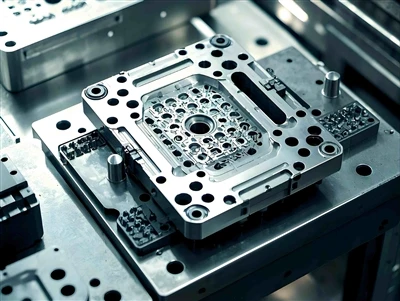
How Does CNC Machining Transform Aerospace Manufacturing?
How Does CNC Machining Transform Aerospace Manufacturing? The aerospace industry demands unparalleled precision, and CNC machining aerospace applications have become the backbone of modern aircraft manufacturing. This advanced manufacturing technology enables the production of complex components that meet the stringent safety and performance standards required for flight. From commercial airliners to military jets and spacecraft, CNC machining aerospace processes deliver the accuracy and consistency that traditional methods simply cannot match. Why Is CNC Machining Aerospace Essential for Critical Aircraft Components? Aircraft manufacturers face unique challenges that set them apart from other industries. Every component must withstand extreme temperatures, intense vibrations, and tremendous stress loads while maintaining minimal weight. CNC (Computer Numerical Control) machining has revolutionized how these parts are produced, offering manufacturers the ability to create intricate geometries with tolerances as tight as 0.0001 inches. The process begins with detailed CAD models that engineers develop based on aerodynamic calculations and structural requirements. These digital blueprints are then converted into machine-readable code that guides cutting tools through complex three-dimensional paths. Multi-axis CNC machines, often featuring five or more axes of movement, can access virtually any surface angle, eliminating the need for multiple setups and reducing the risk of alignment errors. Landing gear components exemplify the demanding nature of aerospace manufacturing. These critical parts must support the entire weight of an aircraft during takeoff and landing, absorbing tremendous impact forces. CNC machines carve these components from solid blocks of high-strength aluminum alloys or titanium, removing excess material while preserving the precise dimensions required for proper fit and function. The automated nature of CNC processing ensures that each landing gear component matches its specifications exactly, whether it's the first piece or the thousandth. Turbine blades present another manufacturing challenge where CNC technology excels. These airfoils must maintain specific curvatures and...
read more
18Sep2026
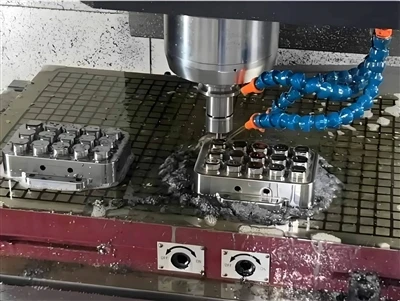
How Is CNC Manufacturing Robotics Transforming Modern Production?
How Is CNC Manufacturing Robotics Transforming Modern Production? The marriage between precision machining and intelligent automation marks a turning point for global manufacturing. CNC manufacturing robotics represents more than automated assembly lines-it's fundamentally reshaping how industries create everything from surgical instruments to aerospace components. Within the first quarter of 2025, the integration of computer numerical control systems with robotic platforms has reached unprecedented sophistication, delivering accuracy levels once thought impossible while dramatically reducing production costs. This convergence isn't simply replacing human workers; it's amplifying capabilities, solving labor shortages, and opening doors to manufacturing complexity that manual processes could never achieve. The robotics sector itself depends heavily on CNC precision. Every servo motor housing, every gripper mechanism, every joint assembly requires tolerances measured in microns. Meanwhile, CNC machine shops increasingly deploy robotic systems for material handling, quality inspection, and continuous production cycles. This symbiotic relationship between creator and creation accelerates innovation on both fronts. The Three-Layer Architecture of Modern Production Understanding how CNC manufacturing robotics operates requires looking beyond surface-level automation. Three distinct yet interconnected layers form the foundation of this technological ecosystem. Foundation Layer: Precision Hardware At the base sits the mechanical infrastructure-5-axis CNC mills capable of machining complex geometries from solid blocks of titanium, Swiss-style lathes that produce miniature components with repeatability of ±0.0002 inches, and grinding systems achieving surface finishes below Ra 0.4 micrometers. These machines represent decades of incremental engineering improvements, each generation adding fractional gains in speed, accuracy, and thermal stability. The robotics industry places extraordinary demands on this hardware. A single collaborative robot arm contains dozens of precision-machined parts: gears with tooth profiles accurate to within 5 microns, bearing races with concentricity tolerances of 0.005mm, and aluminum housings featuring complex internal passages for cable routing. Manufacturing these components requires CNC equipment that maintains dimensional accuracy across temperature fluctuations, tool...
read more