

04Nov2026
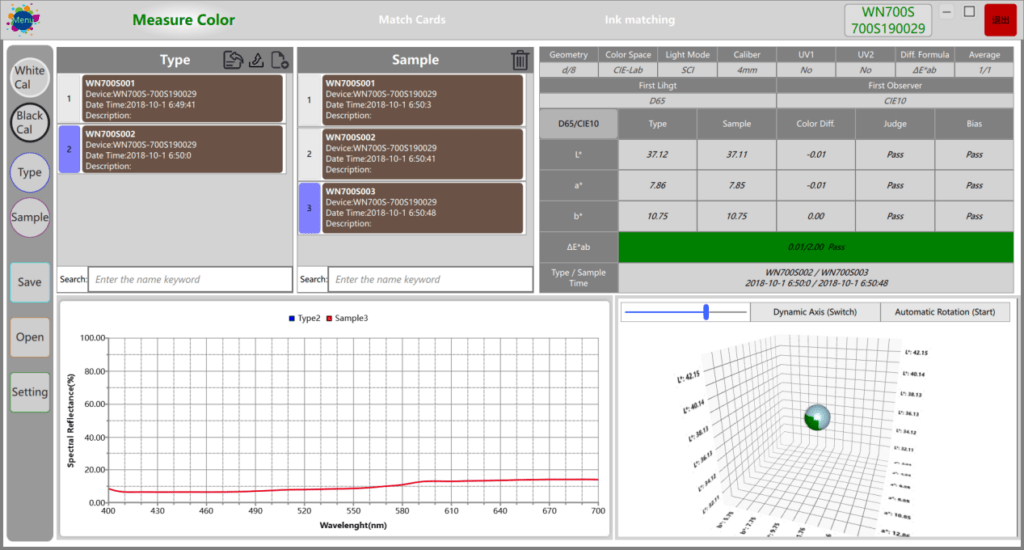
How to Achieve Consistent Plastic Color: Matching, Measurement, and Molding Controls
Plastic color control depends on disciplined color matching, inspection, and process control. This guide covers standard color chips, color difference meters, colorimeters, pigment additive ratios, and processing temperature—key factors engineers and sourcing teams should manage to reduce color deviation and improve molded part quality.
read more
04Nov2026
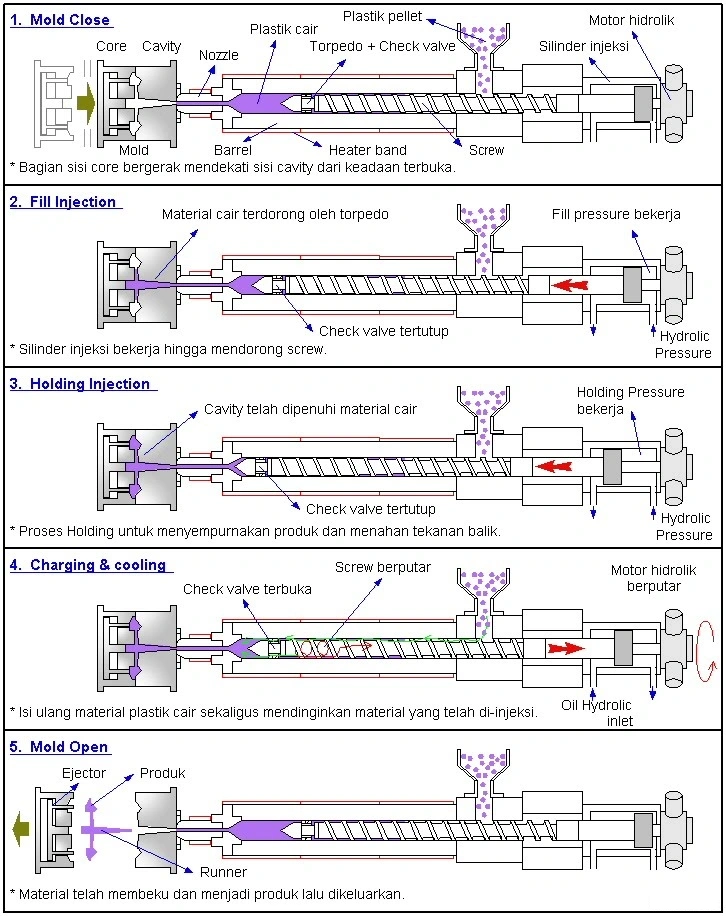
Injection Molding Process Explained: History, Stages, and Mold Design
Trace injection molding from its 1872 patent to modern plastics-specific machines, then review the four core stages—filling, holding, cooling, and demolding—plus weld lines, packing pressure, cooling design, and ejection methods that shape final part quality.
read more
03Nov2026
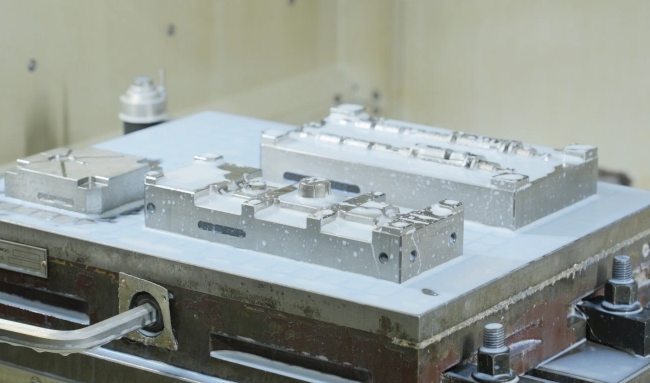
Aerospace CNC Machining Explained: Precision, Materials, and How to Choose a Qualified Supplier
CNC machining keeps critical aircraft components safe and reliable. Learn how precision tolerances, aerospace materials, AS9100 quality control, and smart supplier selection protect flight safety and your program.
read more
02Nov2026
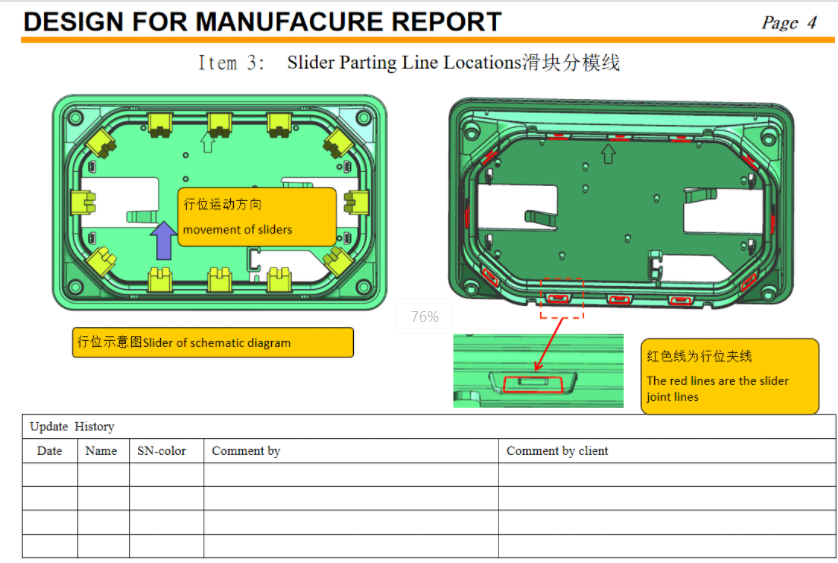
Injection Mold Lifters: Design, Material, and Production Guide
Injection mold lifters solve undercut ejection with compact, cost-effective motion. This guide covers lifter angle selection, interference checks, H13/TD material choice, production planning, and applications in electronics, automotive, and medical molding—helping engineers and sourcing teams specify reliable lifter mechanisms and improve demolding.
read more
02Nov2026
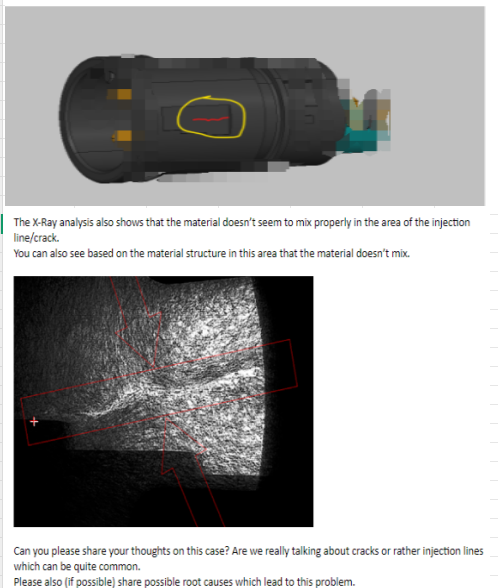
Injection Molding Weld Lines: Solving LCP Connector Cracking Through Design and Process
Injection molding weld lines form where two flow fronts meet inside the cavity and fail to fuse into a single, uniform material. On cosmetic parts the result is a visible line; on high-performance parts such as LCP connector housings, it can become a crack initiation site that survives tooling adjustments and only shows up in the field. Understanding why injection molding weld lines weaken a part is the first step toward a durable fix. Why Injection Molding Weld Lines Weaken LCP Connectors Liquid crystal polymer (LCP) offers high stiffness, low warpage, and excellent dimensional stability, which is why it is widely used in fine-pitch connectors. Those same properties make weld lines more critical. When two melt fronts meet, the polymer chains at the interface do not entangle as fully as in the bulk material. The joint can lose a significant share of its tensile strength, and in thin walls the effect is amplified. A connector that passes a visual check may still crack under mating force, thermal cycling, or vibration. Case Study: Cracking in an LCP Connector Housing A manufacturing partner had already made several tooling adjustments, but recurring cracks continued to appear in an LCP connector housing. The team requested a deeper technical review to understand what was happening inside the molded part. X-ray analysis showed that the material was not mixing properly near the injection line, and the client wanted possible root causes and corrective solutions. Root Causes Identified The review identified three connected problems: The thin-walled design relied on a single-gate flow path, which created a weak weld line opposite the gate. Microscopy and X-ray confirmed incomplete material fusion at the joint. Process parameters were not optimized for LCP, so melt temperature and injection speed did not support a strong interface. Solutions: Design and Process Fixes The...
read more
02Nov2026
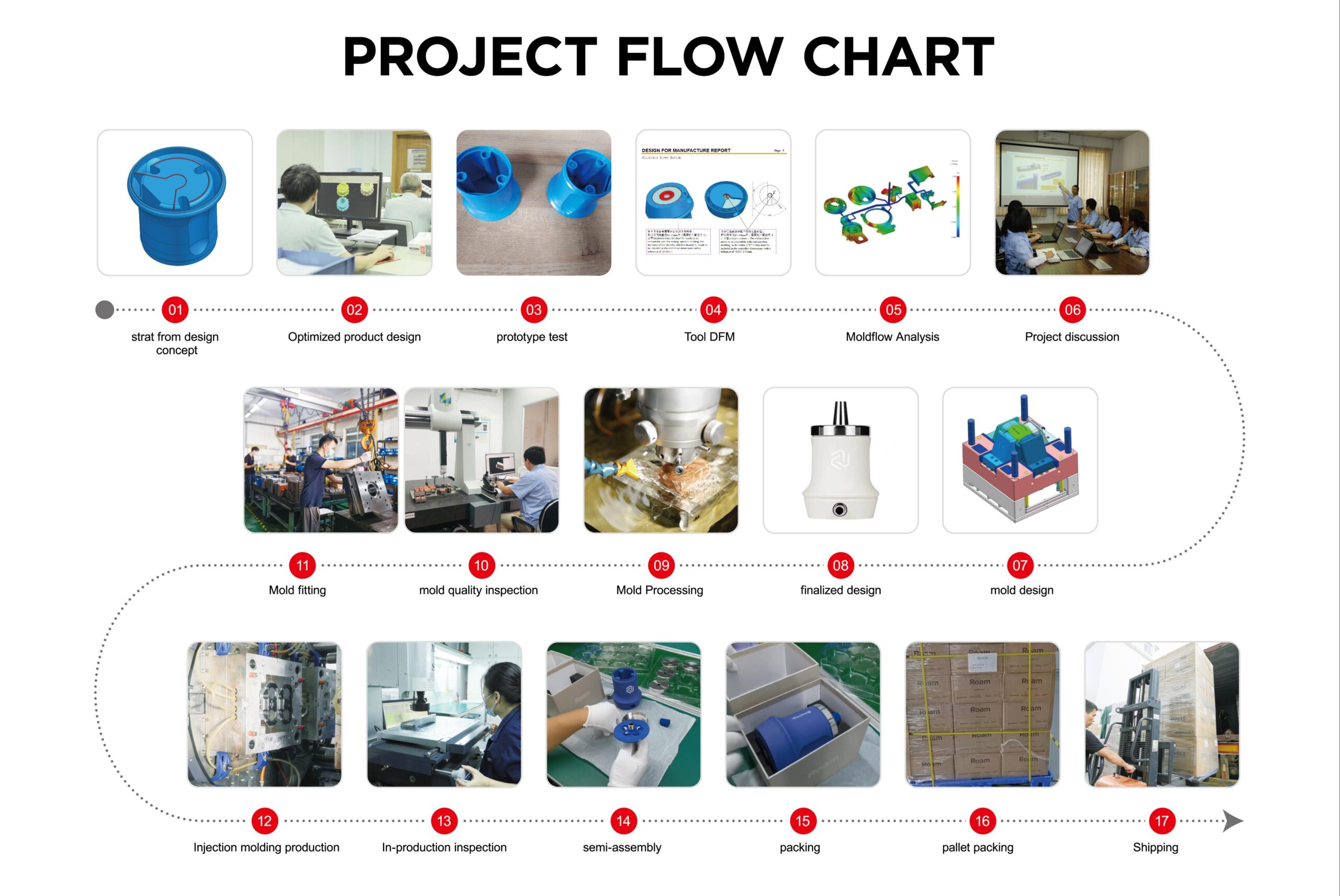
Chinese Injection Molds for Overseas Production: Design, Cost, Quality, and Export Checklist
Chinese injection mold suppliers can cut tooling costs by 30–50% while meeting HASCO, DME, and MISUMI standards. This guide explains how to evaluate design, materials, processing, quality validation, IP protection, machine compatibility, and export logistics—especially when plastic production happens overseas. It also outlines why export-grade molds may cost slightly more but deliver longer service life and smoother integration.
read more
02Nov2026
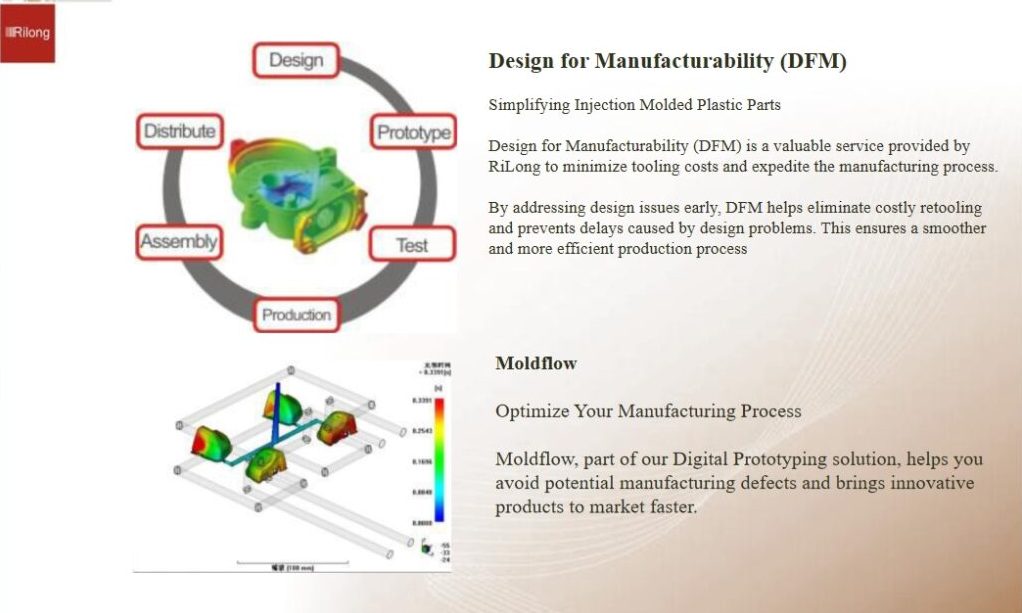
Precision Mold Design That Solves Real Production Challenges
TCHD Precision Mold Company explains why established mold manufacturers and injection molding experts trust its 30 years of experience to design and build molds that improve efficiency, reliability, and production quality.
read more
02Nov2026
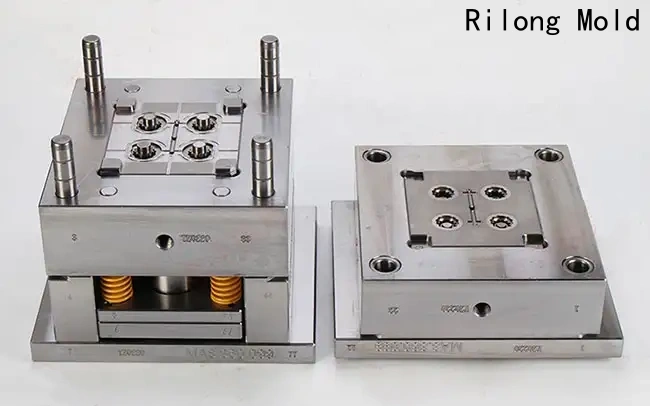
Plastic Mold Structure: Injection Mold Types and Selection Guide
Plastic mold structure affects part quality, cycle time, material use, and production cost. This guide compares single-parting, multi-parting, side-core pulling, oblique pin inner-core pulling, and hot runner injection molds. Learn how gate design, undercut release, runner removal, automation, and volume influence mold selection for engineers and sourcing teams.
read more
02Nov2026

ToolDFM Analysis: Building Manufacturable Molds from the Start
ToolDFM analysis helps engineers and sourcing teams evaluate mold design, materials, processes, quality, and production before tooling begins. It reduces complexity, controls cost, improves efficiency, and supports high-quality, manufacturable products. Experienced mold engineers use DFM to prevent costly errors and optimize each design for production. TCHD offers precision mold design, mold flow analysis, and manufacturing with 50+ engineers, 20,000+ molds for Fortune 500 companies, and precision to 0.005 mm.
read more
02Nov2026
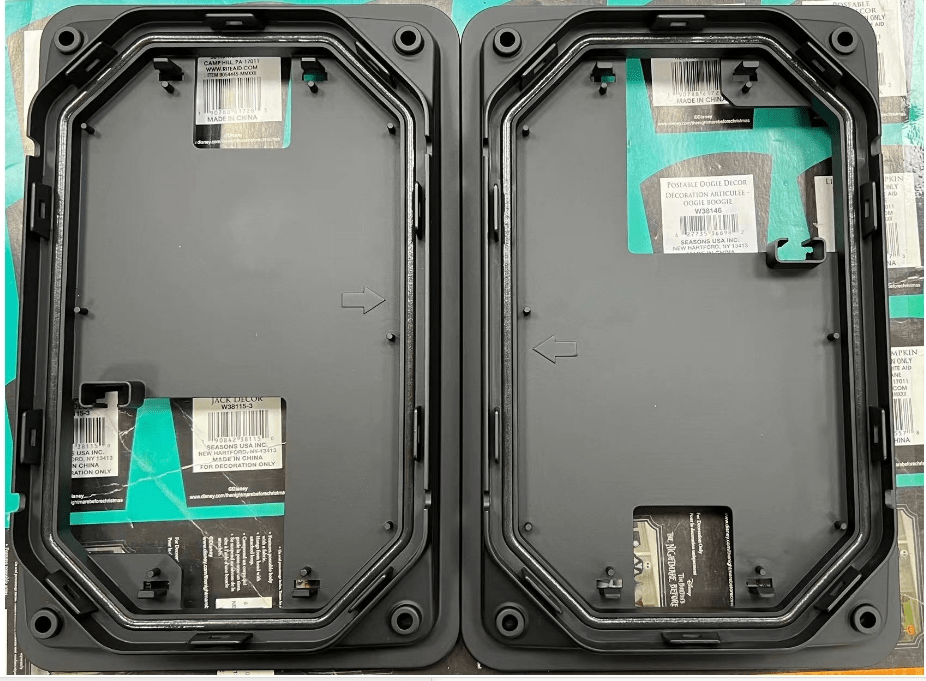
Waterproof Sealing Solutions: Material, Mold, and Assembly Choices That Hold Up
A practical guide to waterproof sealing for engineers and sourcing teams, with four proven examples covering FIPFG gaskets, marine display covers, plastic-to-stainless overmolding, and durable TPU caps.
read more